

























































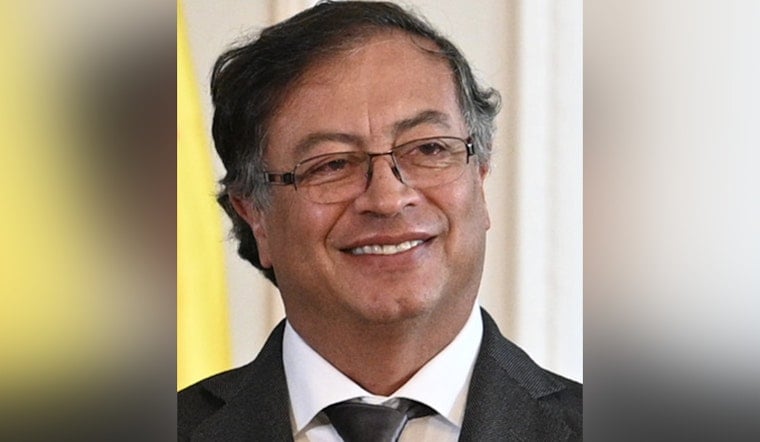
A high-profile meeting between New York Mayor Zohran Mamdani and Colombian President Gustavo Petro was yanked off the calendar this week after U.S. diplomats quietly leaned on Bogotá to cancel. The federal move, which effectively blocked a sitting mayor from hosting a foreign head of state, adds fresh friction to an already rocky U.S.-Colombia relationship and leaves New Yorkers without a promised public forum on democracy in the Americas.
Colombian officials said they agreed to scrap the event after the U.S. embassy in Bogotá contacted Colombia’s foreign ministry and diplomats made clear the engagement was unacceptable, according to The New York Times. The Times reported that the plan had been for a private bilateral meeting followed by a public discussion on Friday, until Bogotá pulled back under U.S. diplomatic pressure.
A State Department official told The Washington Post that the sitdown would have violated visa limits placed on Mr. Petro after he attended a pro-Palestinian rally in Manhattan last year, pointedly adding, “A visa is a privilege, not a right.” U.S. officials have allowed Mr. Petro to travel to New York for tightly defined U.N. business, and they argue that broader appearances, such as a joint event with a U.S. mayor, would push beyond those permissions.
Local fallout for Mamdani
For Mayor Mamdani, the canceled meeting was supposed to be a marquee moment as he grows a national profile after taking office in January and diving into citywide policy fights. According to sworn in this year amid promises to reshape city policy, Mamdani entered City Hall with vows to transform local governance and elevate New York’s voice in national debates. The mayor’s office did not immediately respond to questions about the nixed encounter, The New York Times reports.
Why Washington stepped in
The warning from Washington follows a string of clashes with Mr. Petro, including the State Department’s September 2025 move to revoke his visa after he joined a pro-Palestinian demonstration in Manhattan and urged U.S. soldiers to disobey orders, according to prior reporting. The Washington Post reported that American diplomats told Bogotá the planned meeting with a city mayor would cross the line of what is allowed under Mr. Petro’s U.N.-related travel.
Legal tightrope at the U.N.
Under the 1947 U.N. Headquarters Agreement, the United States, as host country, is not supposed to obstruct travel to and from the U.N. for accredited delegates and is expected to grant visas promptly for U.N. business. Representatives “shall be granted [visas] without charge and as promptly as possible,” according to the treaty. At the same time, the U.S. has its own leverage: the Treasury Department’s October 24, 2025 sanctions designation of Mr. Petro and associates under counternarcotics authorities gives Washington additional tools to limit contacts, according to the Treasury Department.
What’s next
Mr. Petro is in New York to preside over Colombia’s turn on the U.N. Security Council and to lead a high-profile session on the Middle East, and organizers had floated a “Dignity in Democracy” event that would have brought him together with city leaders. EFE, via Infobae, reported that the president traveled to New York on June 9 to chair Security Council meetings and that a conversation with Mayor Mamdani was on the tentative schedule. How this plays back in Bogotá, where domestic politics are already unsettled, and whether either side will try to revive the meeting, remain open questions.
For now, the episode is a reminder that when global politics roll into New York, city-level diplomacy still runs into federal red lines. The world may call this town a capital, but Washington is still the one holding the pen on who talks to whom.





_(cropped).jpg)