

























































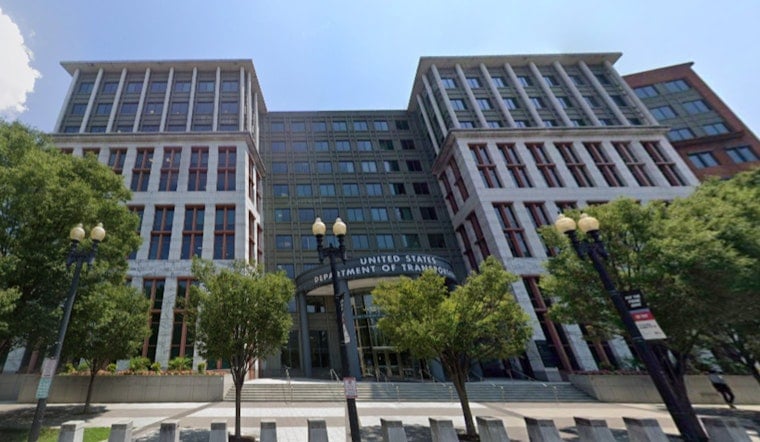
Federal regulators are moving to scrap the long‑standing rule that every car needs a manual brake pedal, but only for vehicles built to operate without a human at the wheel. For Bay Area riders and the robotaxi companies testing here, that tweak could speed up the arrival of purpose‑built driverless cabs and shake up who gets to design them.
What NHTSA is proposing
The National Highway Traffic Safety Administration is proposing an update to Federal Motor Vehicle Safety Standard No. 135 that would drop the requirement for hand‑ or foot‑operated brake controls in vehicles “designed never to be operated by a human,” according to the Federal Register. In plain English, fully autonomous cars would not need a traditional brake pedal, as long as no one is ever supposed to drive them.
NHTSA says the core braking‑performance rules stay in place: vehicles will still have to pass strict stopping‑distance tests, just through alternative procedures tailored to driverless systems, per NHTSA. The agency frames the move as part of its Automated Vehicle Framework to modernize standards that were written with a human behind the wheel, and it emphasizes that it will still use its defect‑enforcement powers if autonomous systems prove unsafe.
Industry reaction
Industry groups and AV trade associations quickly cheered the proposal, arguing that it strips away a hardware requirement that no longer makes sense for cars with no driver seat. Jeff Farrah, CEO of the Autonomous Vehicle Industry Association, called it “a step toward facilitating American leadership in autonomous vehicles,” according to Mercury News.
Supporters say dropping the pedal requirement clears the path for purpose‑built robotaxis, a potential boost for players like Tesla and Zoox, and could cut back on time‑limited exemption requests that have capped some fleets, as TechCrunch reports.
Safety advocates push back
Safety advocates and consumer groups are far less impressed. They argue NHTSA is loosening hardware rules before locking in strong performance tests for self‑driving tech. Consumer Reports criticized the agency for carving out exemptions for equipment instead of finalizing rigorous, enforceable performance standards.
Cathy Chase of Advocates for Highway and Auto Safety told Mercury News that AV performance “needs to be regulated to be demonstrably safe before safety systems are removed.” The groups want NHTSA to put objective performance testing in place before fleets without manual controls hit public roads in any significant numbers.
What happens next
The proposal was filed for public inspection on June 25 and is scheduled for publication in the Federal Register on June 26, with roughly a 30‑day public comment window, per the Federal Register. If the rule is finalized, companies rolling out purpose‑built driverless vehicles would likely need fewer exemption petitions to deploy their fleets.
NHTSA says it will separately craft objective testing for automated driving systems and will investigate any unsafe behavior through its defect authority. For now, manufacturers, safety advocates and everyday residents have a few weeks to file technical comments in docket NHTSA‑2026‑0728 before the agency locks in its next move.
Why it matters here
In the Bay Area, the rule change could reshape a robotaxi landscape that is already crowded and contentious. Waymo and several startups are running paid autonomous rides across the region, while companies designing purpose‑built cabs have been sitting on the sidelines waiting for clearer federal rules. GM, for instance, paused production of its Cruise Origin in late 2023 amid safety reviews, TechCrunch reported.
Hoodline has tracked both robotaxi mishaps and the neighborhood debates they spark, including our earlier coverage of the federal probe into a school‑area incident in “Waymo Robotaxi Hits Child,” highlighting how much local trust and politics will shape any rollout here.
For now, this notice of proposed rulemaking is a narrow technical move that keeps braking performance tests while stripping out what regulators see as an outdated hardware mandate. Whether it actually accelerates safe, widespread driverless service will hinge on how quickly NHTSA and industry prove that automated driving systems can meet tough, real‑world performance benchmarks. The comments filed to the docket, and whatever performance rules follow, will determine whether this becomes rocket fuel for the robotaxi market or the start of a fresh regulatory brawl.





