

























































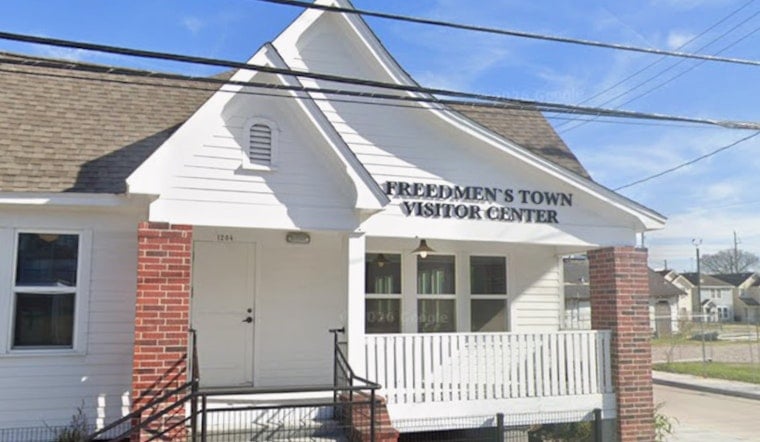
In Houston’s Fourth Ward, more than 20,000 hand-laid bricks pulled from the streets of historic Freedmen’s Town are getting a temporary new address. The pavers will be preserved inside a community pavilion rising on land owned by Mount Horeb Missionary Baptist Church, part of a years-long effort to protect the neighborhood’s storied brick streets while creating new gathering space. Ground broke on May 31 for the Rebirth in Action campus, which organizers say will eventually feature renovated row houses, a food pantry, after-school programs and services for seniors when it opens in spring 2027.
Bricks cataloged and protected
According to the Houston Freedmen’s Town Conservancy, the conservancy and the Contemporary Arts Museum Houston have been working since February 2025 to identify, catalog and preserve more than 20,000 historic bricks under the oversight of archaeologist Dr. Alexandra Jones. The pavers, hand-laid by formerly enslaved Houstonians after Juneteenth, will be stored for now in a specially designed wall inside the pavilion while crews prepare to restore sections of the brick streets. Project leaders stress that the bricks are treated as living artifacts deeply tied to the neighborhood’s story, not construction scraps to be thrown away.
What the pavilion will do
The pavilion is one piece of a $5.7 million campus that organizers say is slated to open in spring 2027, with plans for three neighboring row houses to be renovated and new community rooms added, as reported by the Houston Chronicle. A central feature of the design is a masonry wall that will temporarily display the preserved bricks and double as a gathering place for programs focused on the neighborhood’s past. The long-term goal, project leaders say, is to restore the pavers and return them to the streets where they originally were laid.
Artist-led design aims to center community
The pavilion’s brick wall is being designed by artist Theaster Gates with landscape architect Sara Zewde, who are aiming to blend preservation, performance and everyday neighborhood use. Gates has described the project as a way to “deepen our understanding of race and the land,” according to his project statements. Zewde, who grew up in Houston, has told community members she sees the pavilion as an extension of existing neighborhood spatial traditions, according to artist materials shared by Gates.
Funding and next steps
Major philanthropic partners are footing much of the bill. Houston Endowment notes that it has committed millions to the conservancy’s work, and the initiative also lists support from the Kinder Foundation, the Wagner Foundation and other donors. The conservancy and museum describe the pavilion and the house rehabilitations as Phase Two of Rebirth in Action. The larger brick-street restoration plan is expected to appear before Houston City Council later this summer, according to local coverage, and organizers have signaled they hope restored pavers can return to the neighborhood in time for Juneteenth observances.
What residents and leaders said
At the groundbreaking, community leaders framed the pavilion as a long-awaited move to keep Freedmen’s Town history rooted in Fourth Ward control. “It says this community... deserves the kind of attention it's getting,” Sharon Fletcher told the Defender Network, as elders and neighbors watched. Project organizers acknowledge that the effort will unfold over years, but say keeping the bricks close to home and involving residents in decision-making are key to protecting both the neighborhood’s past and its future.



