

























































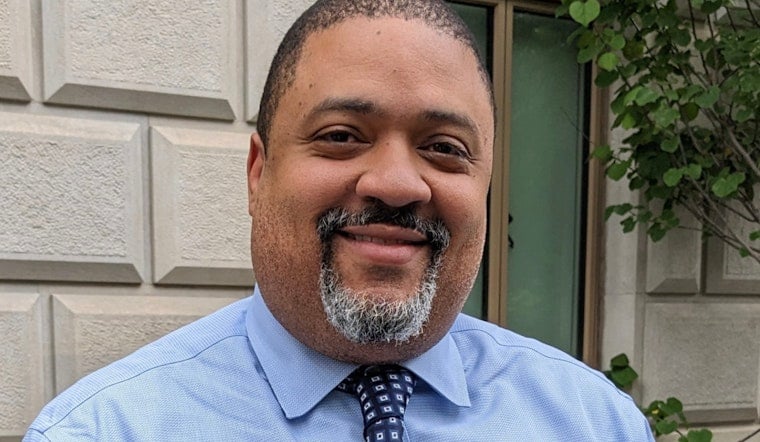
Manhattan District Attorney Alvin Bragg spent 2025 hitting the city’s black-tie circuit, accepting complimentary tickets to roughly 20 galas and benefit dinners, according to public disclosures reviewed by reporters. The guest list was not exactly your average Tuesday night out: major charity nights and high-profile fundraisers across Midtown and other Manhattan venues, all now fueling fresh scrutiny of how the DA spends his off-hours. Backers frame it as standard community engagement; critics say it looks uncomfortably cozy for the city’s top prosecutor.
The 2025 disclosure entries show Bragg reported attending 20 upscale fundraisers, with individual seats generally priced between about $1,000 and nearly $5,000. Tallying those ranges, totals were reported at a minimum of roughly $21,500 and, by one calculation cited in coverage, as high as nearly $138,000. Among the events listed in reporting: the Phoenix House annual soiree on May 1, the Robin Hood Foundation benefit at Javits on May 12, the Vera Institute “Paths to Progress” gala at the Ziegfeld on April 8, the Keepers of the Dream awards on April 2 and a Nov. 11 LatinoJustice dinner. Roughly 13 of the 20 events were hosted by nonprofits or organizations that hold city contracts, according to that coverage, which also featured both critics and Bragg’s office. As reported by the New York Post, Bragg’s spokesperson highlighted borough crime declines, while detractors warned the freebies blur the line between prosecutor and political elite.
Bragg’s office points to falling crime
Supporters of Bragg argue the gala chatter needs to be weighed against the backdrop of an improving public-safety picture in Manhattan. City data show historic year-end declines in 2025, with the NYPD logging sizable drops across major violent-crime categories. That included a 38 percent decrease in shooting incidents in Manhattan and a 33 percent decline in murders, figures allies say should frame any debate over his social calendar. According to the NYPD, 2025 produced record lows for shootings and shooting victims citywide.
What the disclosure rules require
Under New York City rules, the Conflicts of Interest Board requires elected officials to list gifts and estimate their value on annual disclosure forms that are made available to the public. The COIB’s public-report format organizes those gifts by value ranges, and the entries reporters reviewed for this story come from that system, which is designed so that watchdogs and voters alike can see what is being accepted and from whom. The city’s disclosure format and an example report for Alvin Bragg on the Conflicts of Interest Board site show how those ticket ranges and donor details are categorized and published.
Politics and perception
The filings have quickly turned into a political talking point. Opponents argue that a pattern of complimentary tickets from organizations that do business with the city creates an appearance problem, even if the rules are followed. Supporters counter that the DA’s presence at high-profile dinners helps build relationships that can support prevention programs and victim services. Local reporting has also noted how prosecutors and public officials can lean on different time frames or baselines when promoting crime declines, an issue explored in prior Hoodline coverage of Bragg’s public-safety claims and the math behind them.
As the disclosures continue to circulate, transparency advocates and political critics alike are likely to press for more detail on how ticket values are calculated and whether any additional reporting or recusals could be required. For now, the Conflicts of Interest Board filings remain the main public record to watch as the debate over Bragg’s gala seats plays out.




.jpg)