

























































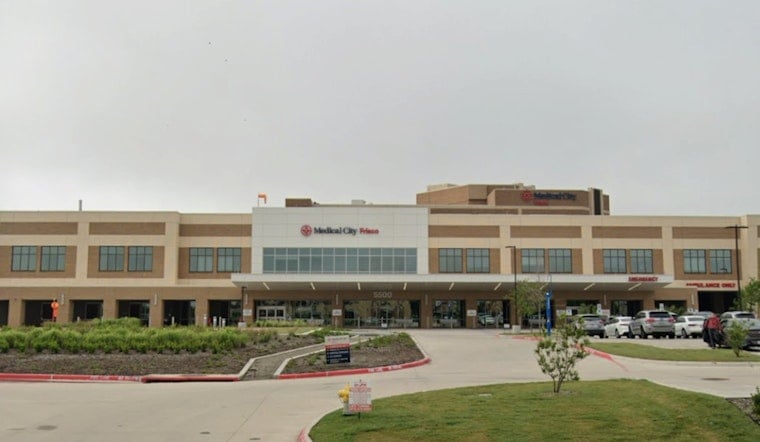
If your heart stops in Frisco or Plano, the cavalry can now be waiting at the hospital door instead of scrambling after you arrive.
Medical City Frisco and Medical City Plano have launched a mobile extracorporeal cardiopulmonary resuscitation (ECPR) program that brings advanced ECMO-based resuscitation closer to Frisco-area patients. The effort, which quietly went live in April, allows specialized hospital teams and portable equipment to be activated while paramedics are still en route, trimming the time to life-saving therapy. Medical City Frisco is now the first hospital in the city to offer ECPR, and the health system says the mobile setup is the only one in North Texas and the first multi-city mobile ECPR program in the country.
How the mobile ECPR model works
When a patient meets clinical criteria for ECPR, paramedics in Frisco and Plano can call ahead and trigger the hospitals ECMO teams while transporting the patient, so staff and gear are ready the moment the ambulance arrives. As reported by Community Impact, the program is intended for emergencies such as heart attack, respiratory failure and cardiogenic shock. That pre-arrival coordination is designed to shave off critical minutes before extracorporeal support begins, a window clinicians say often separates survival from permanent organ damage.
Bringing ECMO closer to patients
Medical City Healthcare describes the initiative as a systemwide push that lets Medical City Plano’s ECMO team prepare portable therapy the moment first responders flag an eligible patient, making Frisco the first local hospital to host ECPR capability. According to Medical City Healthcare, the ECPR service uses extracorporeal membrane oxygenation to temporarily take over heart and lung function while clinicians work on the underlying problem. “When a person experiences cardiac arrest, whether at home, at work or in the community, every minute matters,” Medical City Frisco CEO Ken Stevens said in the announcement.
Local coverage and rollout
Regional outlets picked up on the April rollout, noting that the mobile model broadens access to a treatment that is usually confined to major tertiary centers. D Magazine reported that the mobile configuration allows Medical City Plano’s ECMO team to deliver advanced intervention more quickly for patients who might otherwise have been out of practical range. The coverage frames the program as part of a broader trend in which hospital systems field portable teams and tight coordination protocols to reach critically ill patients sooner, even when they are far from large hubs.
Plano's ECMO experience and training
Medical City Plano has been building its ECMO muscle for several years and in 2025 earned a Platinum Level Center of Excellence award from the Extracorporeal Life Support Organization, a distinction the hospital says fewer than 50 programs worldwide have received. According to Medical City Healthcare, the hospital began working with Plano Fire-Rescue in December 2022 to train paramedics to spot potential ECLS candidates and deploy advanced measures in the field. That groundwork helped set the stage for an intra-system mobile ECPR model that first responders can activate directly from the scene.
What ELSO certification means
The Extracorporeal Life Support Organization’s Award of Excellence recognizes centers that can show rigorous training, strong outcomes and high-quality protocols, with Platinum as the top tier. Per ELSO, the evaluation looks at clinical care, staff education and quality measures, the same foundations that support portable ECMO and ECPR programs. Hospital leaders say pairing that level of preparation with pre-arrival coordination is meant to boost survival chances and reduce long-term organ damage in carefully selected cardiac arrest cases.
Officials stress that the mobile ECPR program is an add-on, not a replacement, for basic CPR and standard 911 response, and that it is intentionally reserved for a narrow group of patients who meet strict clinical criteria. For bystanders and family members, the playbook in a suspected cardiac arrest has not changed: call 911 immediately so paramedics can start lifesaving care and, when appropriate, tap into the advanced teams now standing by.



