

























































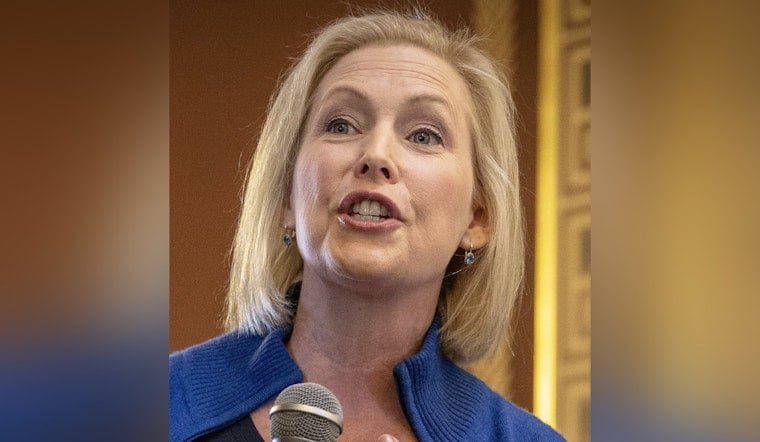
Sen. Kirsten Gillibrand is accusing federal health officials of letting red tape choke New York’s hospital staffing just as new doctors are supposed to scrub in.
Gillibrand says delays at the U.S. Department of Health and Human Services are preventing hundreds of foreign-trained physicians from starting jobs at hospitals and clinics across the state. In a letter to HHS Secretary Robert F. Kennedy Jr., she presses the agency to clear an administrative backlog in the Office of Global Affairs that handles J-1 visa waiver recommendations. Hospital leaders and medical groups warn that if the logjam is not broken soon, staffing gaps will widen as contract start dates close in.
Gillibrand presses HHS to move faster
The senator’s push, which flags potential staffing shortfalls in New York and beyond, was first detailed by the Brooklyn Eagle. In her letter, Gillibrand demands that Secretary Kennedy explain why HHS has not offered a clear timeline for fixing its processing delays and urges the department to move quickly to avoid derailing hospitals’ hiring plans. She characterizes the slowdown as an avoidable bureaucratic failure with very real consequences for patient care.
Medical groups sound the alarm
National physician groups have been warning HHS for weeks that the backlog could leave thousands of patients without access to care if nothing changes. In an April 28 letter to senior officials, the Society of Hospital Medicine called for “immediate emergency steps” and cautioned that “every day this backlog persists is a day that hospitalized patients in these communities face greater risk.”
Immigration attorneys told reporters that the Exchange Visitor Program is sitting on a backlog of hundreds of cases. That pileup means physicians with July start dates are at risk of being forced to leave the United States before they can begin their jobs, KFF Health News reported.
Why New York is especially vulnerable
New York’s hospitals are particularly exposed to any disruption in the J-1 waiver pipeline. Workforce data from the Association of American Medical Colleges show that New York is among the states where more than one-third of active physicians trained abroad. The AAMC 2025 key findings underscore how even a temporary slowdown in waivers can ripple quickly through hospital rosters, especially in hard-to-staff specialties and communities that already struggle to recruit.
HHS response and the ticking clock
The HHS Office of Global Affairs oversees exchange visitor J-1 waiver recommendations, a role spelled out on its own website, and the agency says it is working to bring processing times down. The HHS Office of Global Affairs notes that it manages both clinical and research waiver requests, and a department spokesperson has told reporters that officials have reviewed all fiscal year 2025 clinical waiver applications and “are implementing key process improvements” while they continue work on some fiscal year 2026 files. CBS News has summarized that response and the immediate risk it poses for physicians whose start dates are looming.
Policy stakes: big fees, big risks and a Capitol Hill fix
The waiver bottleneck is colliding with a broader immigration fight. Presidential actions in September 2025 imposed a $100,000 fee on many new H-1B visa petitions, a change that could make it prohibitively expensive for hospitals to recruit physicians if doctors are forced to leave the country and refile from abroad. Coverage of the fee and attempts to carve out the healthcare sector have spurred industry groups to push for an exemption and encouraged lawmakers to draft a legislative fix.
A bipartisan proposal, the H-1Bs for Physicians and the Healthcare Workforce Act, was introduced in March to exempt physicians and other health workers from that new cost, according to FierceHealthcare. Reporting on how the fee is playing out for rural hospitals and other employers has been detailed by PBS NewsHour.
For now, hospitals, lawmakers and the physicians stuck in limbo say they need a concrete timetable from HHS before summer contract start dates hit. Gillibrand’s letter asks the department to spell out that timeline. Medical leaders warn that if action does not come soon, patients in underserved communities will be the ones left holding the bag.




