

























































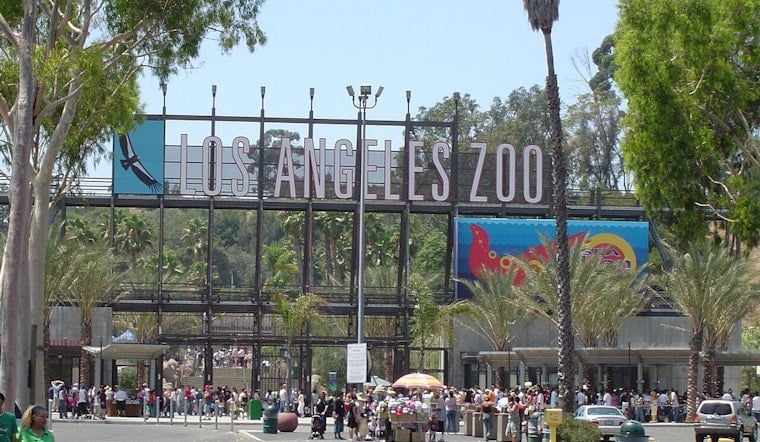
Los Angeles County's civil grand jury did not mince words Tuesday, declaring the L.A. Zoo tattered, bleeding members and in need of a private steward if it is going to make it out of this decade in one piece. The panel concluded that the zoo's aging infrastructure, shuttered exhibits and declining revenue show the city cannot keep running the institution as it has, and framed the moment as a choice between an organized public-private transition or a slow slide into permanent decline.
According to the Los Angeles Times, the jury documented a 23% drop in memberships, from 36,914 in April 2025 to 28,440 in February 2026, and flagged a 1 million dollar budget shortfall this year. The paper reported that multiple exhibits, including the lions, bears, sea lions and pelicans, have been closed for major renovations, and that the zoo cares for more than 1,600 animals across its 133-acre Griffith Park campus. Those findings, based on site visits and internal documents, outline how maintenance and staffing gaps are feeding the financial losses.
The civil grand jury wrote in its 2025-2026 report that "Simply stated, to keep these important educational institutions afloat, almost all zoos across the United States have turned to public-private partnerships." The jury urged the city to start looking for a new benefactor and an experienced steward to guide a transition, saying a concrete plan should be in place by April 2027.
What The Report Says Is Going Wrong
Federal inspectors and the Association of Zoos and Aquariums identified what they called a "critical lack of funding and staffing to address even the most basic repairs," problems the zoo itself acknowledged in budget documents, the Los Angeles Times reported. The grand jury said these shortfalls have forced exhibit closures and damaged the zoo's accreditation prospects, leaving the institution exposed at a time it can least afford it.
The panel also took aim at the overlapping roles of city departments, the Zoo Commission and neighborhood bodies, describing a bureaucratic knot that slows basic repairs and complicates fundraising. In other words, even when there is some money and will to fix things, the process itself often gets in the way.
Legal Fallout Over A 50 Million Dollar Endowment
Layered on top of the operational mess is a long, bitter legal fight over a roughly 50 million dollar endowment that has pitted the city against the Greater Los Angeles Zoo Association. Reporting by Bloomberg Law and local outlets shows the city sued GLAZA seeking control of the funds, and judges have issued orders limiting how that money can be used. The grand jury wrote that the stalemate has effectively cut the zoo off from its traditional private fundraising partner at the worst possible time.
What A Takeover Could Look Like
The grand jury pointed to institutions like the Los Angeles County Museum of Art and the Natural History Museum, which operate under nonprofit management, as examples of how a public-to-private transition might work. Those museums still serve the public, the report noted, but their nonprofit structures give them more flexibility to raise money and manage big capital projects.
Any transfer at the zoo, the jury warned, would be complicated. Labor agreements, responsibility for animal care and a backlog of capital work would all have to be sorted out. The panel urged city leaders to move carefully, but also to commit to a firm timeline so the process does not drag on indefinitely. How the mayor, City Council and the Board of Zoo Commissioners respond will likely determine whether the zoo quietly shrinks or gets rebuilt for the next generation.
Why It Matters To Angelenos
The zoo is more than a collection of animals, it is a living classroom, a field-trip staple and a neighborhood outing for families across Los Angeles, as well as a local hub for conservation programs. If the transition goes badly, the grand jury suggested, Angelenos could see fewer exhibits, fewer school visits and fewer conservation projects based in the city.
The recommendations put fresh pressure on City Hall and the courts, where the ongoing fight over who controls fundraising will complicate any handoff. In the coming months, elected officials and civic groups will have to decide whether the L.A. Zoo is restored as a thriving public asset or allowed to continue shrinking through neglect.





