

























































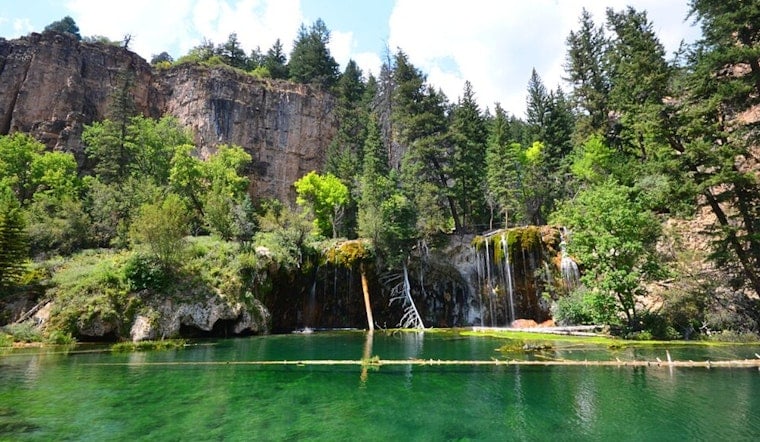
After years of closure signs, detours, and heavy equipment, the trail to Hanging Lake in Glenwood Canyon is officially back, rebuilt almost from scratch. The path that wildfire and mudslides chewed up has been replaced with a fresh line of stonework and bridges, the visible result of a long cleanup from the 2020 Grizzly Creek Fire and the destructive 2021 debris flows that tore out bridges and buried the tread. Managers say the new route is engineered to better handle future flooding and heavier day-to-day use.
Ribbon Cutting Caps Nearly Complete Rebuild
Next week, partners including the National Forest Foundation, Great Outdoors Colorado, and Colorado Parks and Wildlife are set to gather for a ribbon-cutting, marking the near-finish of what officials peg as close to $5 million in reconstruction. According to the Denver Gazette, managers had tracked roughly 72,000 visitors a year on the old trail and estimated about $4.6 million in annual visitor spending tied to Hanging Lake. Permits will stay capped at about 650 hikers per day to protect the fragile site.
How The Money And Timeline Came Together
The National Forest Foundation took the lead on lining up funding and contractors once the fire and floods had done their damage. Per the National Forest Foundation, temporary fixes in spring 2022 brought back limited access, and more than $2.2 million in grant support from Great Outdoors Colorado helped launch a full rebuild that moved ahead in 2023. Organizers say the focus was on long-term stability instead of quick patch jobs that would need constant redoing.
Stone Steps, New Bridges And Helicopter Muscle
The redone route now includes more than 1,000 hand-shaped stone steps and seven new footbridges in spots where debris flows had wiped out crossings. Crews leaned on helicopters to haul in bridge components, reportedly about two flights per bridge with roughly two tons of parts each, and then did most of the stonework by hand on the ground. "It was this big sigh of relief," Emily Kasyon, the National Forest Foundation's local coordinator, told the Denver Gazette.
What Hikers Need To Know Before Hitting The Trail
The official trail runs about 1.2 miles with roughly 1,200 feet of elevation gain, which lands it firmly in the "challenging" category, so hikers are urged to show up ready for a steep climb. The White River National Forest notes that reservations are required, peak-season permits cost $12 per person, and permits are issued hourly with a three-hour window, with hikers expected to arrive within 30 minutes of their time slot. Managers also stress that there is no swimming, no pets, and that parking at the trailhead is included with a reservation.
Why Glenwood Springs Cares About This Trail
When the Grizzly Creek Fire burned off canyon vegetation and the 2021 debris flows followed, they wrecked bridges, buried sections of trail and forced long closures that cut into tourism. The National Forest Foundation says the restoration is meant to shield the lake's delicate travertine formations while keeping a controlled flow of visitors that helps support the broader Glenwood Springs area. For locals and managers who once worried the trail might be a total loss to fire and washouts, the reopening is being framed as both a protective move for the canyon and a bet on its long-term resilience.





.jpg)