

























































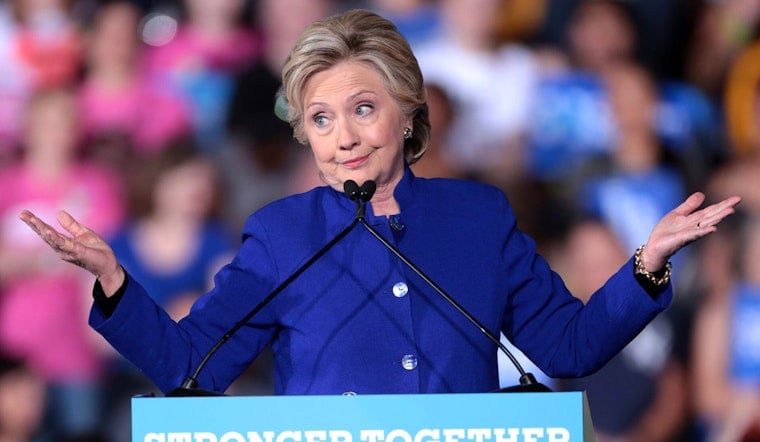
Hillary Clinton is not mincing words about President Joe Biden’s decision to run for a second term, calling it “a terrible mistake” that she says undercut his legacy and hurt Democrats at the ballot box.
Speaking in Manhattan with New Yorker editor David Remnick, Clinton delivered one of the most stinging public rebukes of Biden’s 2024 bid from a senior Democrat, adding fresh fuel to an already heated intraparty debate over how the race was set up and lost.
“He made a terrible mistake for himself, his legacy, and for the country,” Clinton said, arguing that “whoever emerged from a competitive Democratic primary would have beaten Donald Trump,” according to The New York Times. In that New Yorker-hosted conversation, she framed Biden’s decision to run again as both a strategic miscalculation and a missed generational handoff, remarks that quickly ricocheted through political circles in Washington and New York.
Autopsy, release and backlash
Clinton’s comments landed just as Democrats were still arguing over a long-delayed postelection autopsy that the DNC released in May, a document many party insiders and reporters labeled incomplete and riddled with errors. The Washington Post detailed the report’s messy rollout and the internal blowback, including public caveats from party leaders that the draft “did not meet my standards.” That controversy has kept questions about candidate choice and campaign strategy squarely in the middle of Democrats’ internal post-2024 argument.
What party officials and reporters are saying
Clinton’s blunt assessment lands on top of broader second-guessing about messaging, organizing and whether the nomination process actually produced the strongest possible ticket. The Associated Press summarized key takeaways from the autopsy, citing concerns that the campaign struggled to build sustained momentum and that certain strategic choices left the ticket exposed.
For many Democrats, Clinton’s remarks are likely to amplify demands for a more candid accounting of what went wrong in 2024 rather than quiet the grumbling. Whether her intervention truly shifts the larger conversation or mostly gives voice to what plenty of operatives have already been saying in private is still an open question. What is clear is that, coming from one of the party’s most recognizable figures, her critique keeps the focus fixed on leadership, timing and political strategy as Democrats prepare for the midterms and start jockeying for 2028. Those are the questions that will now hang over every planning session in the months ahead.





.jpg)