

























































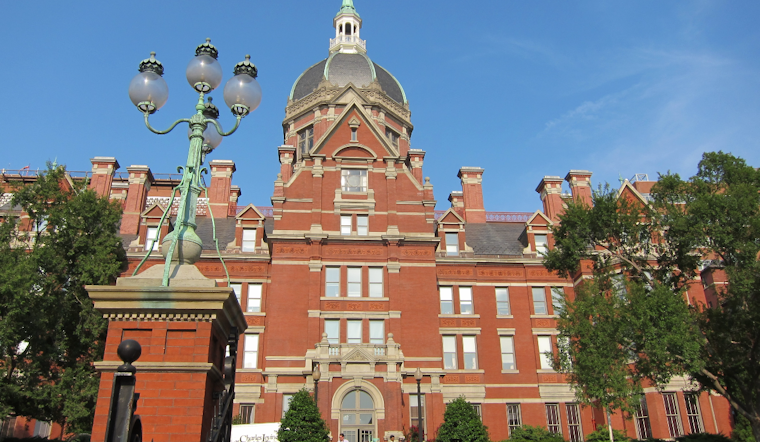
Johns Hopkins University has started another round of layoffs in Baltimore this week, cutting about 110 positions, mostly administrative roles, across several divisions. The move is part of a months-long effort to tighten the belt that has already brought a hiring freeze, halted raises for higher-paid staff and earlier job cuts driven by shrinking federal research money. University officials say affected workers will receive formal notice and transitional support while departments scramble to plug budget holes.
According to The Baltimore Sun, the roughly 110 roles eliminated this week are concentrated in administrative offices at the Bloomberg School of Public Health, the Carey Business School, and central university administration. A spokesperson told the paper that some of the savings will come from eliminating vacant positions in addition to direct layoffs.
How This Fits Into A Broader Retrenchment
This latest trimming comes on the heels of a far larger shakeup in 2025, when the university cut more than 2,200 jobs worldwide after losing about $800 million in USAID and other federal support, according to reporting by Higher Ed Dive. Those earlier reductions fell heavily on international operations and domestic staff whose work depended on federal research and aid contracts.
University Leaders Point To Federal Funding Shortfalls
Administrators have repeatedly blamed a sharp drop in federal dollars for the tough calls. In a recent budget message to faculty and staff, Johns Hopkins finance leaders said “the total outstanding value of our multiyear federal research portfolio declined by more than $500 million,” and pointed to earlier belt-tightening moves, including a hiring freeze and a pause on annual pay increases for employees earning more than $80,000, as detailed by Johns Hopkins University.
What The University Says It Will Do For Affected Staff
The university told The Baltimore Sun that employees caught up in this week’s cuts will receive notice and transitional support. Hopkins also said divisions are being pushed to squeeze out more savings through unfilled openings before resorting to additional layoffs. Leaders added that they will keep monitoring the numbers and update the campus community as the financial picture shifts.
Local Impact And Response
Community organizations and labor advocates warn that job losses at Baltimore’s largest private employer do not stop at the campus gates. They argue that fewer staff can mean less work for contractors, less support for neighborhood initiatives, and more strain on public health partnerships that rely on Hopkins. Coverage of last year’s USAID-related reductions highlighted how deeply those cuts reached into Baltimore-based programs and global projects, and advocates say they intend to track this new round just as closely, according to WYPR.
University leaders maintain that the steps announced this week are part of a multi-year plan to steady the books while preserving core research capacity. They also say they are pursuing other revenue streams and policy advocacy in hopes of easing the pressure. Hopkins has reiterated its intention to bring back annual pay increases in the next fiscal year, starting July 1, 2026, if conditions improve, according to Johns Hopkins University.





