

























































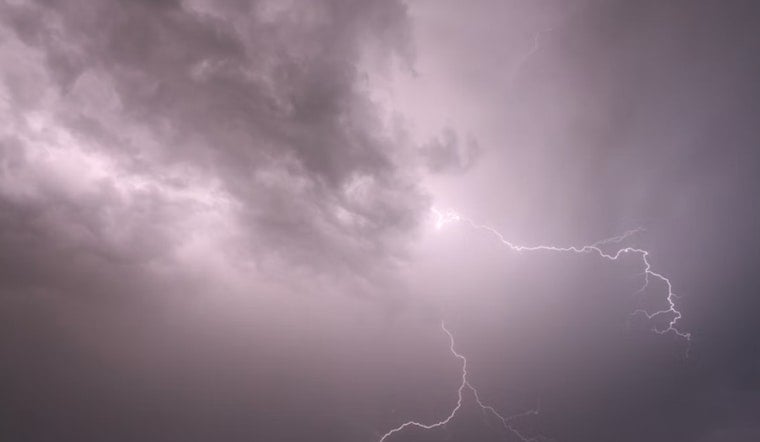
Radar lit up across the Houston metro Saturday afternoon as numerous thunderstorms popped up, and forecasters warned the storms could stick around into Sunday morning instead of making a quick exit. The National Weather Service and local emergency agencies highlighted an elevated risk of heavy downpours and flash flooding in low-lying neighborhoods and along bayous, while TxDOT‑HOU amplified the warning for drivers and urged extra caution on wet, slick roads.
RT @NWSHouston: 1:45 PM Radar Update: Numerous thunderstorms popping up this afternoon. Periods of showers and storms are expected to persist through Sunday morning. The strongest storms may have heavy downpours and increased risk of flash flooding. Stay weather aware! #txwx
— TxDOT‑HOU District (@TxDOTHouston) June 20, 2026
According to NWS Houston/Galveston, periods of showers and storms are expected to persist through Sunday morning, and the strongest cells could produce heavy downpours and localized flash flooding. The office’s key messages list frequent lightning and gusty winds as additional hazards and urge residents to stay weather-aware. Forecasters stressed that repeated rounds of slow-moving or training storms would be the main trigger for urban flooding.
The Weather Prediction Center’s mesoscale precipitation discussion noted that some coastal cells were producing rain rates of 2 to 2.5 inches per hour and that flash flooding was likely in parts of Brazoria and Galveston counties, with a conditional urban flood risk for the Houston metro if storms backbuild over the same areas, the Weather Prediction Center said. At those intensities, rain can overwhelm storm drains and small bayous in a matter of minutes.
Localized Flooding And Travel Impacts
Harris County officials urged residents to monitor bayou and stream levels and to avoid driving through standing water, directing people to the county’s Flood Warning System for real-time gage readings, according to ReadyHarris. The county’s Flood Warning System shows which streams and bayous are rising and can be a useful tool before heading out. TxDOT crews are monitoring major corridors and may close flooded ramps or lanes as conditions change.
How To Stay Safe Today
If you encounter a flooded road, remember the National Weather Service’s guidance to “Turn Around, Don’t Drown” and never try to drive through moving water, the National Weather Service advises. Expect travel delays and consider postponing nonessential trips while storms pass; local outlets have reported airport ground stops and traffic snarls during recent heavy cells, Click2Houston reported. Keep phones charged, flashlights handy, and follow instructions from emergency officials as the storms continue to move through.





