

























































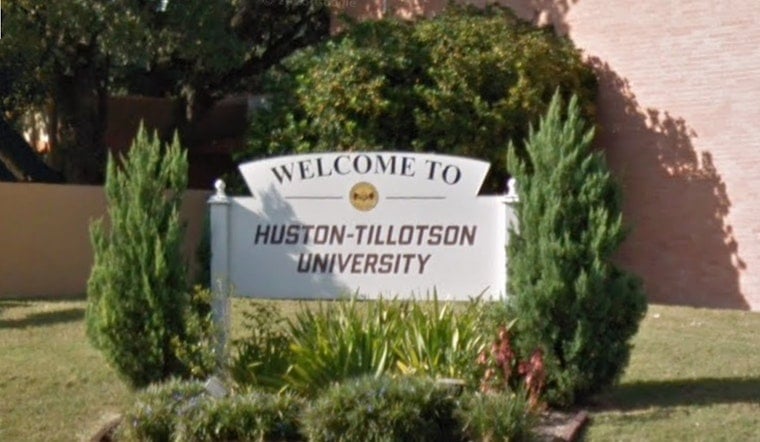
Huston‑Tillotson University is telling education majors their degrees are still good, even as the clock runs down on the school’s ability to certify new teachers. State regulators have moved to revoke the Austin campus’s educator‑preparation accreditation, directly affecting 16 seniors and three juniors who had planned to finish their certification through HTU, and sending students and administrators scrambling for backup plans before fall.
What The State Board Decided
The State Board for Educator Certification voted to follow an administrative law judge’s recommendation and assign a "Not‑Accredited Revoked" status to Huston‑Tillotson’s educator preparation program, revoking the school’s approval to recommend candidates for the EC‑6 Core Subjects certificate, according to the Texas Education Agency. The move capped a contested case that reviewed several years of probationary ratings and persistent test‑score shortfalls.
Huston‑Tillotson: Degrees Stay, EPP Will Close
University officials stress that the state’s decision applies only to HTU’s role as an Educator Preparation Program site and does not touch the school’s authority to grant degrees. The department’s webpage explains that students can still earn a Bachelor of Arts in Education or a Master of Education in Educational Leadership, but they will now have to pursue teacher certification through another approved provider. The page also notes that the EPP is scheduled to cease operations on Aug. 31, 2026, according to Huston‑Tillotson University. Administrators say they are lining up partner agencies and shifting to a partnership model to help current candidates finish their certification requirements.
Students Scramble For A Plan
Local coverage reports that 16 seniors and three juniors are directly affected, and many are now unsure how they will meet certification deadlines and clinical‑hour requirements. One student, Kelsey Torres, told KXAN, "school starts in August, there's no way to get all those student‑teaching hours by Aug. 31." Several candidates said they can probably transfer into another program, but the extra cost is a serious worry.
Why The Program Lost Approval
Records and legal summaries show the EPP had been rated Accredited‑Probation for multiple years and did not meet state performance standards on certain certification exams, according to a summary from the Texas Classroom Teachers Association. The administrative law judge ruled that HTU’s attempts at remediation were not enough to fix the problems, and the board agreed, voting to accept that recommendation. In its responses, HTU has pointed to COVID‑era disruptions, testing and placement interruptions, and staffing changes as factors that hurt the program.
What Comes Next
Huston‑Tillotson says it will offer special funding and one‑on‑one advising to help affected students avoid extra out‑of‑pocket certification costs, according to Huston‑Tillotson University. Local reporting by KXAN notes the university has also been holding group calls and individual meetings to create transition plans for each candidate.
Students who still want to teach can move into approved alternative certification programs or state‑approved teacher residency pathways. The State Board for Educator Certification lists available options and policies on the State Board for Educator Certification website. HTU’s EPP office has posted contact information for candidates who need records or guidance as the program winds down on Aug. 31.
Local Context
Observers say the revocation highlights how smaller educator‑prep programs can get squeezed by accountability rules at the same time districts across Texas are struggling to hire teachers. The Texas Classroom Teachers Association notes that Huston‑Tillotson’s program serves a relatively small group of candidates across both traditional and alternative routes. Advocates argue that clear, timely support will determine how many of the affected graduates ultimately make it into the classroom. For now, students, faculty, and district partners are watching to see how the university’s new partnership plans and state certification options play out over the summer.





