

























































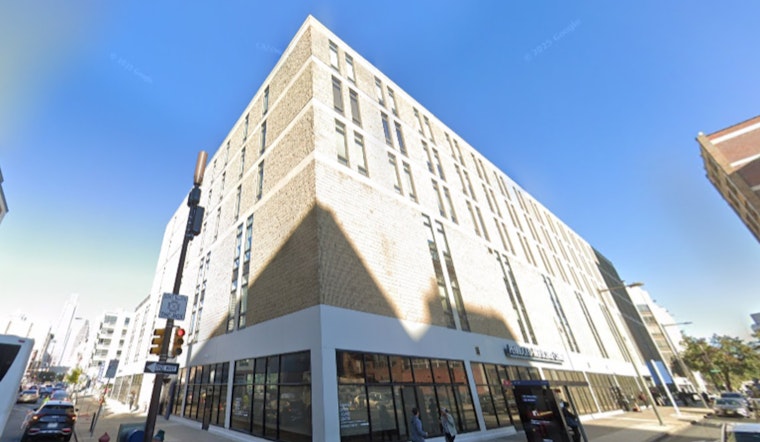
A new class-action lawsuit is taking direct aim at the Philadelphia ICE Field Office, accusing it of quietly flipping the script on long-standing rules and hauling people back into custody at routine immigration check-ins. Filed Wednesday in federal court, the suit argues that officials unlawfully scrapped a decades‑old “Changed Circumstances” policy and began re-detaining people who had already been released, even though there is no new evidence they are dangerous or likely to flee. Three Philadelphia residents are named as plaintiffs, and attorneys are asking a judge to block the practice for a broader group of people required to report to the office.
According to WHYY, the case was brought in the U.S. District Court for the Eastern District of Pennsylvania by lawyers from the American Civil Liberties Union of Pennsylvania and partner firms. The complaint asks the court to declare the field office’s rollback of the Changed Circumstances Policy “arbitrary and capricious” and unconstitutional, and to award plaintiffs their attorney fees and costs.
“When the government releases a person from custody, there is an implicit promise that their liberty will be honored,” said Vanessa Stine, a senior staff attorney at the ACLU of Pennsylvania. Advocates told reporters that more than 200 people have been re-arrested at the Philadelphia ICE Field Office without any material change in their circumstances, WHYY reported. The plaintiffs include Ousmane Soumare, who says he was picked up again during a routine check-in in November 2025 and later released, along with two others who say they now live with the constant threat of being re-detained.
Court Filings Show a Pattern
The lawsuit is not landing in a vacuum. Federal court records show a run of similar habeas petitions from people who say they were detained at ICE offices after routine reporting, with little or no explanation for why their status suddenly changed.
In one recent petition, attorneys argued that ICE re-detained a person in Philadelphia on Feb. 24, 2026 “without explanation” and that officials “have not furnished any explanation as to changed circumstances” to justify the arrest. Those documents, available in public records, echo the core theory in the new class action: that ICE is engaging in arbitrary re-detention practices. A copy of that petition can be found via Habeas Dockets.
National Enforcement Push
Advocates say what is happening in Philadelphia fits a broader national pattern. Around the country, attorneys and reporters have documented a ramp-up in interior enforcement, including more arrests away from the border and more detentions at scheduled check-ins.
Reporting on a May 2025 White House meeting described internal discussion of a target of roughly 3,000 arrests per day for federal immigration agents, according to The Guardian. In the Tri‑State area, local investigators have documented rising numbers of people detained during routine government appointments and check-ins, underscoring why lawyers in Philadelphia say their clients are scared to keep showing up. ABC7NY has reported on those regional trends.
What Plaintiffs Say and What’s Next
Plaintiffs and immigrant-rights advocates argue the Philadelphia office’s policy shift has sent a chilling message: follow the rules, come to your appointments, and you might still end up in a cell. They say that fear is already discouraging people with pending cases from complying with court and check-in requirements, exactly the opposite of what the system is supposed to encourage.
The ACLU of Pennsylvania, which has brought multiple legal challenges over ICE practices in the region, says this suit aims to restore clear, predictable procedures so that people seeking asylum or other relief can attend required appointments without worrying that cooperation will be punished. More detail on the group’s immigration-related litigation in the state is available on the ACLU of Pennsylvania case page.
Legal Implications
The legal argument in the Philadelphia case tracks a strategy advocates have used elsewhere: that sudden reversals of agency policy, made without a reasoned explanation, run afoul of the Administrative Procedure Act and that locking people back up without adequate justification undermines due-process protections.
In Northern California, a coalition of civil-rights groups asked a federal judge to toss courthouse-arrest and extended-detention policies and won a regional stay on those policies in December 2025. The ACLU NorCal has outlined those motions and the wider national playbook for challenging similar enforcement tactics.
Legal fights over ICE’s interior arrest practices are expected to stretch on for months, with the potential for injunctions or appeals that could reshape how field offices operate far beyond Philadelphia. For now, the lawsuit has put one local office under an intense spotlight and heightened anxiety for people whose immigration cases are still unresolved but who are trying to stay on the government’s radar the “right” way.





