

























































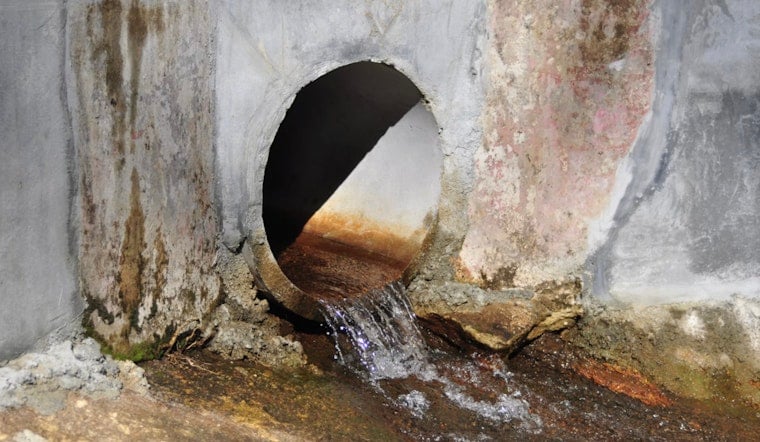
If you live near the water in New York City and have ever wondered what was swirling around your ankles, a recent court order says you should not have to guess anymore. A New York court has directed the city to notify residents every time raw or partially treated sewage gets dumped into local rivers, creeks and other waterways, after a years-long fight over combined sewer overflows that advocates say left swimmers, boaters and shoreline workers in the dark.
What the court ordered
According to Justia, a Nov. 24, 2023 order directs the New York City Department of Environmental Protection to promptly notify the public of any untreated or partially treated sewage discharge and to produce a list of previously unreported events from 2018 through June 21, 2023. The judge interpreted the Sewage Pollution Right to Know Act to require public notices "as soon as possible, but no later than four hours from discovery" of a discharge.
How the law works
Under state law known as the Sewage Pollution Right to Know Act, owners and operators of publicly owned treatment works and sewer systems must notify the Department of Environmental Conservation, local health departments and the public within four hours of discovering a discharge, and the law points to NY-Alert or similar electronic media as the notice mechanism, according to the state Department of Environmental Conservation. Where real-time telemetered monitoring is unavailable, the regulations allow waterbody-level advisories. Advocates say that in practice, city notices often lacked the specific outfall, volume or duration details people need to judge risk.
Advocates call it a win
Environmental groups that brought the case, led by Riverkeeper and joined by harbor and creek organizations, are treating the decision as a public health milestone. "This is a victory for the health of all New Yorkers and for transparency surrounding environmental health," said Mike Dulong of Riverkeeper, as reported by Waterkeeper Alliance. They point to roughly 460 combined sewer overflow outfalls and billions of gallons of annual discharges into harbor waters when storms overwhelm the century-old system.
City response and what is next
In court, DEP argued that its NY-Alert and waterbody-advisory systems, along with limited telemetry coverage, were the practical methods available to notify the public, but judges concluded those systems left gaps and ordered the agency to comply with the statutory standard. An intermediate Appellate Division ruling earlier in the case also rejected DEP's motion to dismiss, and the matter has drawn fresh attention after coverage by amNewYork, which noted that the city could seek review by the New York Court of Appeals.
How to get alerts
New Yorkers can sign up for NY-Alert and related waterbody advisories, and the state DEC's Sewage Pollution Right to Know page explains what information notices must include and who is required to report. If the city follows the court's timetable and updates its feeds, those alerts are supposed to show more events and include location, duration and estimated volume so the public can better avoid contaminated areas.
Legal implications
The order was issued as mandamus and for declaratory relief, which compels DEP to act rather than merely awarding damages, and it requires the agency to hand over records of unreported overflows from 2018 through June 21, 2023. DEP has the option to pursue appellate review. If it does, the case could move to the Court of Appeals for a final determination on how the Sewage Pollution Right to Know Act is implemented in the nation's largest wastewater system.





