

























































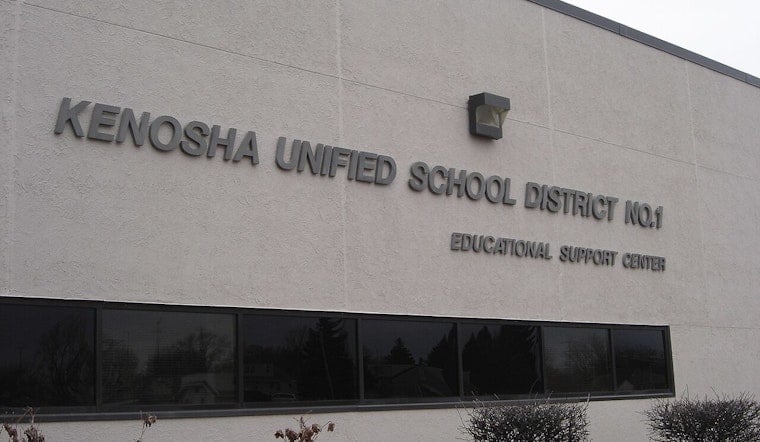
Kenosha Unified School District is staring down a $17 million budget shortfall, and the early list of ways to fill it reads like a nightmare for parents, students and staff. District leaders are floating plans that could cut roughly 40 teaching positions, scale back arts and athletics, boost class sizes and, in one scenario, fold Reuther Central High School into other high schools. Administrators say those changes would hit in the 2027-28 school year if voters do not approve new funding at the ballot box.
The possible reductions, from ending high school sports to canceling fine arts performances and wiping out dozens of teaching jobs, surfaced during recent board meetings, according to Wisconsin Public Radio. Superintendent Jeffrey Weiss told the board that "these cuts will happen should the referendum be unsuccessful," adding that the district needs to spell out clearly for voters what a failed measure would mean inside classrooms and on playing fields. Board members have already acknowledged that any final decision will be both painful and politically charged.
Potential savings the district listed
The district’s planning page lays out a buffet of options and projected savings that, stacked together, are meant to close the gap. The proposals include trimming roughly 34 secondary teacher FTE, estimated at about $3.4 million, increasing class sizes for another $2 million in savings, two options to transition or absorb Reuther students for roughly $1.1 million to $1.6 million, and eliminating high school athletics for about $2 million, according to Kenosha Unified School District. Smaller line items on the same spreadsheet would cut elementary music lessons, extracurricular fine arts performances and some support office positions.
Why the shortfall exists
District officials blame a structural mix of enrollment decline, frozen revenue limits and rising costs for the yawning gap. Policy analysis shows many Wisconsin districts are in a similar bind after federal pandemic aid dried up and revenue caps failed to keep pace with inflation. Kenosha reported about 17,800 students for 2025-26, a drop of more than 700 from the prior year, according to state analysis by the Wisconsin Policy Forum. At the same time, inflation is driving up prices for curriculum materials, utilities, health insurance, transportation and salaries, widening the shortfall.
Board members and community stakeholders have already started wrestling over what should be protected and what might be sacrificed. Several have pushed for more concrete examples of what would disappear. Rebecca Stevens warned that cuts could land hard on music, theater and other student programs, saying, "I think that you have to look at the music programs and all the additional programs, theater, everything that we do," as reported by Urban Milwaukee. Another board member objected to singling out sports as the prime target, arguing that even if it makes for potent political messaging, it is not necessarily smart policy.
What happens next
The calendar is almost as tight as the budget. Staff plan to present detailed numbers and finalize a list of potential cuts by June 23, 2026, followed by a community survey in July and a deadline later this summer to lock in any ballot language, according to local reporting and district documents. Local coverage points to a June 23 target to finalize cuts, and the district’s referendum page lists Tuesday, November 3, 2026, as the tentative date for an operating referendum, per WLIP and Kenosha Unified School District. District leaders say some or all of the listed reductions would roll out in 2027-28 if voters decline to approve the proposed funding.
Kenosha’s budget drama is part of a broader statewide trend of school systems turning to voters to plug financial gaps. Analysts note that while repeat attempts at failed referenda sometimes succeed, the choice facing local families in the near term is stark and close to home: accept program and staff cuts, or sign off on a new tax ask this November. The next few weeks will go a long way toward deciding which path the community takes and which classrooms and activities are ultimately spared or scaled back.





