

























































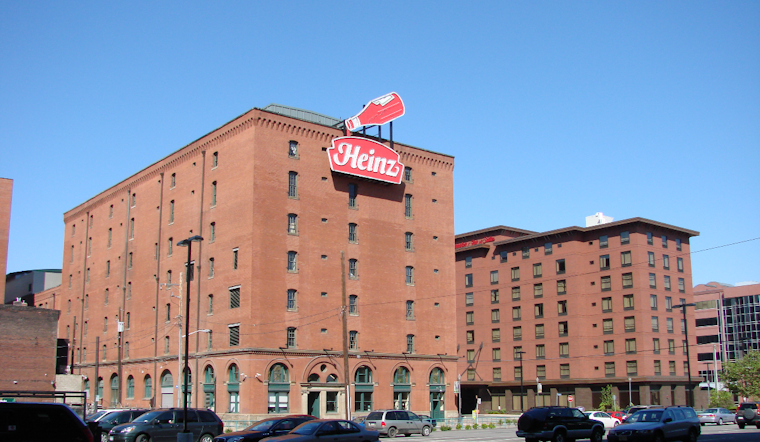
Kraft Heinz, the packaged-food giant co-headquartered in Pittsburgh and Chicago, is redrawing its global map in a bid to speed up growth and tighten execution. The company is folding a patchwork of international units into three big regions and pulling procurement and supply chain into one global operation, a move executives say will better sync where it spends on brands with how those brands show up on shelves in faster-growing markets.
What the new map looks like
According to a press release from Business Wire, Kraft Heinz will now run on three regional engines: North America, Europe, and Pacific Developed Markets (EPDM); and Emerging Markets. The company is merging its Asia Emerging Markets unit with its West and East Emerging Markets groups into a single Emerging Markets region led by Marcel Regis. Willem Brandt will keep the reins of EPDM, and Nico Amaya will stay in charge of North America.
The release says the new structure kicks in on July 1. Procurement and supply chain are being stitched together under one leader, with Janelle Aydin taking on the role of Global Chief Procurement and Supply Chain Officer.
Leadership shifts and transitions
The shakeup also rearranges seats in the executive suite. Cory Onell, chief omnichannel sales & Asia Emerging Markets officer, and Flavio Torres, global chief supply chain officer, will step out of their current jobs and stay on as advisers during the transition, according to local business reporting. Those personnel shifts were initially laid out by the Pittsburgh Business Times and later summarized by WPXI. Coverage notes that the changes are part of a broader run of leadership moves since Steve Cahillane took over as CEO earlier this year.
Why management says it matters
Inside company headquarters, the argument is that fewer regions and a single global procurement and supply chain team will tighten up the entire value chain, improve supply resilience, and make it easier to throw coordinated weight behind priority brands. Industry trade outlets frame the move as a way to cut out overlapping purchasing and distribution work and to speed up launches in markets that matter most.
Food-industry coverage also points out that the revamp is meant to make decisions about sourcing, manufacturing, and distribution more consistent across geographies, rather than being hashed out region by region. Food Processing has a deeper look at the supply-chain consolidation piece.
Where this fits in Kraft Heinz’s turnaround
The regional shakeup is the latest in a string of moves under CEO Steve Cahillane, who took the top job on Jan. 1 and has directed roughly $600 million into marketing, R&D, and product development as part of a broader turnaround effort, according to the company’s first-quarter earnings release. Earlier this year, the company also hit pause on active work to split into separate businesses so management could concentrate on shoring up the core operation, a shift that has been closely watched in financial and local circles.
For the hard numbers, see the company’s earnings release from Kraft Heinz, and for context on the earlier decision to halt the breakup, check out Hoodline’s coverage on how the company slammed the brakes on breakup bets.
What to watch next
The new three-region layout officially arrives on July 1. So far, Kraft Heinz has not tied the restructuring to any immediate plant closures or large-scale layoffs, but suppliers and retailers are watching closely to see whether sourcing decisions tilt more toward a global model or stay regional.
Local business reporters describe the reorg as part of a broader push to simplify how the company is run, in hopes of freeing up money and time for quicker product innovation and heavier marketing support. For Pittsburgh-area readers keeping score at home, WPXI has a rundown of the leadership chart and what the new structure could mean on the ground.





.jpg)