

























































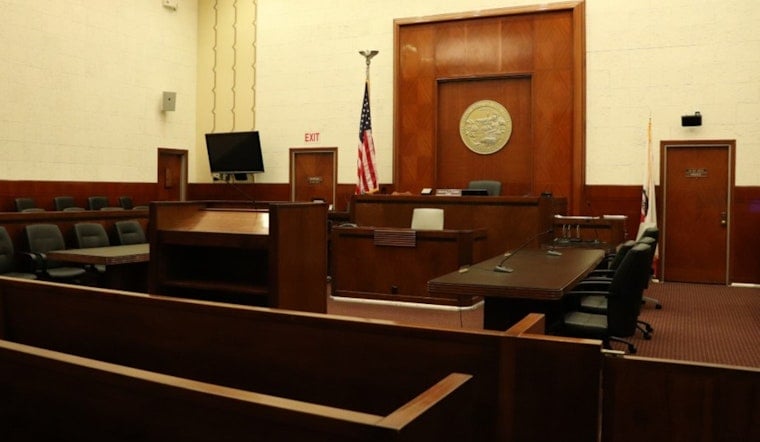
Tenants and community groups are dragging the Housing Authority of the City of Los Angeles into court, accusing the agency of shutting out residents who do not speak English fluently and putting families' subsidized housing on the line in the process. The verified complaint, filed May 29 in Los Angeles County Superior Court, asks a judge to order HACLA to stop alleged discriminatory practices, translate vital documents, and reliably provide interpretation for Section 8 and other programs so renters are not left guessing about the fine print.
According to the Legal Aid Foundation of Los Angeles, the suit was filed by LAFLA, the Law Office of Autumn Elliott and the Western Center on Law & Poverty on behalf of two tenants, Hyunsim Joo and Eva Oceguera, along with the Korean Resource Center. The verified petition and complaint, filed May 29, seeks declaratory and injunctive relief, including peremptory writs to block discriminatory administration of Section 8 and to force HACLA to comply with California bilingual services laws, according to the Verified Petition for Writ of Mandate.
What Plaintiffs Say
In the filing, tenants describe being handed notices only in English, pressured to sign forms they could not read, and told to bring their own interpreters, including children whose school days were interrupted so they could translate for adults. None of that is supposed to happen, they argue, and the stakes are not small: missed deadlines and misunderstandings can cost a family its housing voucher. "Everything that happened to me, being ignored, humiliated, and threatened, could have been avoided if HACLA had simply provided an interpreter," tenant Hyunsim Joo said, according to American Community Media. Attorneys say those informal workarounds violate HACLA's own rules and shift the burden to families who are least equipped to carry it.
Policy vs. Practice
On paper, HACLA sounds far more accommodating. The agency's published Limited English Proficiency policy states that "all LEP applicants, participants, and residents have the right to free interpreter services" and explicitly discourages using minors as interpreters. It defines what counts as "vital documents" and instructs staff to provide site translations or hire interpreters when needed, according to HACLA. Plaintiffs say that in the real world those written rules are routinely ignored, leaving community organizations to step in for hundreds of families, including more than 200 Korean speaking households during a single two week Section 8 application window, according to the Legal Aid Foundation of Los Angeles.
HACLA's Response and Changes
HACLA told reporters it does not comment on pending litigation. The agency did say, however, that its Board of Commissioners approved a revised language access services policy last month that calls for free oral interpretation in all languages, translation of vital documents, paused response deadlines when language services are requested, and the designation of an LEP coordinator, according to American Community Media. Plaintiffs say the lawsuit is about making sure those promises do not stay trapped in policy manuals and instead show up at the front desk where tenants actually ask for help.
Legal Claims and Requested Relief
The complaint alleges violations of California Government Code section 11135, the Fair Employment and Housing Act, and the Dymally Alatorre Bilingual Services Act. It also seeks relief under Code of Civil Procedure section 526a for alleged illegal expenditure of public funds. Plaintiffs are asking the court for peremptory writs to stop discriminatory administration of Section 8, declaratory and injunctive relief, and attorneys' fees, according to the Verified Petition for Writ of Mandate. The case names HACLA and its president, Lourdes Castro Ramírez, as defendants.
If the court grants the requested injunctions, HACLA would be required to change day to day operations that advocates say currently push the responsibility for interpretation onto nonprofits and families. For now, the case remains pending in Los Angeles Superior Court, and plaintiffs say they brought it to make language access a routine, enforceable part of housing assistance, not an emergency fix, a goal they point out is anchored in both HACLA policy and state law.





