

























































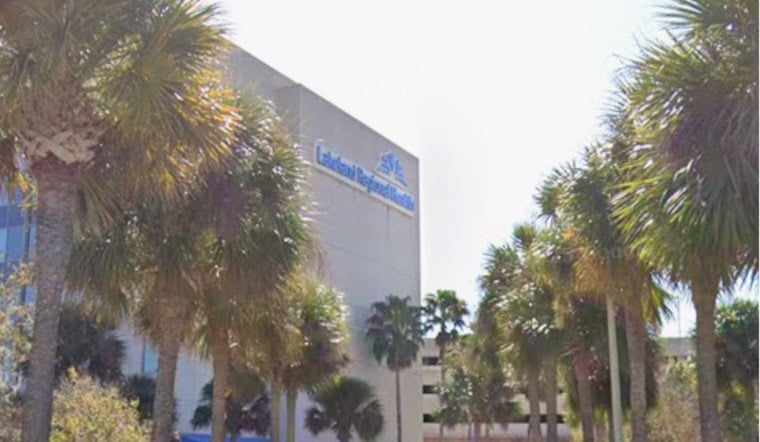
Lakeland Regional Health Medical Center has climbed into Florida's top trauma tier, with the Florida Department of Health officially designating the hospital a Level I trauma center today. The move ends its provisional status and brings the state's highest level of trauma care squarely into Polk County, a shift hospital leaders say will keep more of the county's most critically injured patients and their families from being shipped off to Tampa, Orlando or Gainesville for care. The change is expected to expand regional capacity for both adult and pediatric trauma.
Hospital leaders say the designation is about much more than prestige. "The most significant impact of being a Level I Trauma Center is the ability to keep families together during a traumatic event," Dr. Timothy Regan, president and chief medical officer, said in a press release from Lakeland Regional Health. The hospital reports treating more than 4,400 trauma patients a year and notes it has operated as a provisional Level I center since May 2025. "The Level I designation expands our ability to care for every patient in our community who needs us," added Dr. Olumide Sobowale, the system's trauma medical director.
What Level I Means
In Florida, Level I is the top rung of trauma care. State-designated Level I trauma centers must be ready at all hours to handle the full spectrum of serious injuries for patients of every age and to act as regional hubs for trauma education, prevention and research. The Florida Department of Health spells out the ground rules: immediate access to trauma surgeons, intensive care, operating rooms and blood products, plus required quality-improvement efforts and community outreach. Those standards shape how EMS routes the sickest patients and how the state organizes for mass-casualty events.
Upgraded Capabilities
As WUSF reported, Lakeland Regional's Level I toolkit includes four hybrid operating rooms and a dedicated orthopedic traumatology program, along with advanced treatments such as extracorporeal membrane oxygenation (ECMO) and the use of whole blood during massive transfusions. WUSF also notes that Lakeland Regional is now the 12th Level I trauma center recognized by the Florida Department of Health. All of that is designed to let more critically injured adults and children get definitive care without a time-consuming ride out of the county.
Local Impact
The hospital system is framing the upgrade as a win for Polk County families. The designation should reduce the need to transport the most gravely injured patients to out-of-county centers and let loved ones stay close during lengthy recoveries, according to Lakeland Regional Health. Officials say they expect tighter coordination with Polk County Fire Rescue and local EMS agencies and point to the Bannasch Institute for Advanced Rehabilitation Medicine as a key resource for post-acute recovery. The release notes that Lakeland Regional has delivered state-approved trauma care since 1997 and has operated as a Provisional Level I center since May 2025.
Verification And Standards
The new Level I designation comes from the state, but a separate, voluntary checkmark sits on the horizon. The state program is distinct from verification by the American College of Surgeons, a peer-review process many trauma centers use to measure themselves against national standards. As WUSF reported, Lakeland Regional has not yet completed ACS verification. The college's Verification, Review and Consultation program is described by the American College of Surgeons as an external, peer-driven review of a hospital's resources, performance improvement efforts and readiness to provide trauma care. Many hospitals pursue that step over time to show ongoing quality improvement.
What's Next
State and hospital officials say the work does not stop with a new label on the door. The Florida Department of Health requires trauma centers to submit data to a statewide registry and take part in trauma system planning, with the goal of using that information to guide future improvements and EMS routing decisions. For now, Lakeland Regional leaders say their focus is on turning the Level I badge into what matters most for Polk County residents: faster, more local lifesaving care when everything is on the line.



