

























































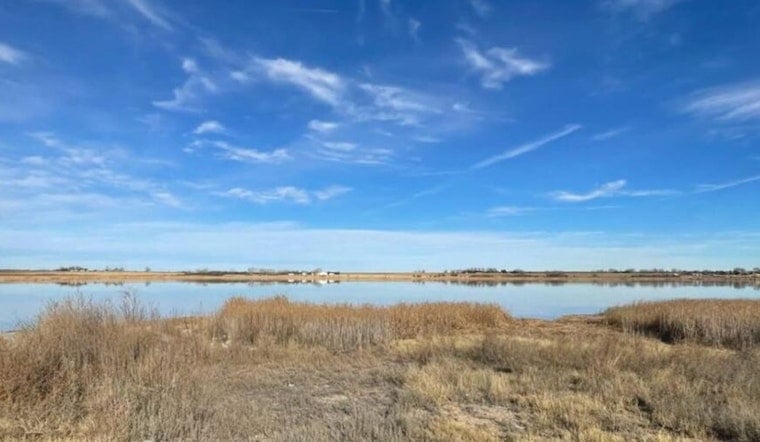
Anglers on Colorado’s eastern plains are staring down a closing bell at two longtime warmwater hotspots. A public fish salvage is underway at Adobe Creek Reservoir, better known as Blue Lake, and at nearby Thurston Reservoir, giving the public a short window to harvest fish before access is shut off for good tomorrow.
Colorado Parks and Wildlife (CPW) says its fisheries crews are already on site, pulling what sportfish they can and preparing to relocate them when practical, all while eyeing what infrastructure has to be stripped out as the recreation lease runs out.
CPW salvage order and timeline
In a June 12 news release, Colorado Parks and Wildlife said the Fort Lyon Canal Company formally notified the agency that the recreational lease that allowed public access will not be renewed. That move triggered the public fish salvage order, which runs from June 12 through July 15. CPW says any changes to that timeline will be posted at the reservoirs and shared through the agency’s regular communication channels.
The salvage also marks the final chapter for open public access at both Adobe Creek and Thurston. CPW officials say that when the salvage wraps on July 15, public access will end the same day.
What anglers are allowed to do
CPW is loosening the rulebook for this one, within limits. Area Wildlife Manager Todd Marriott said in the Colorado Parks and Wildlife release that the agency is “committed to protecting as much of that public investment as possible,” stressing that the priority is relocating fish and preserving value for Colorado anglers.
During the salvage window, current size, bag and possession limits at Adobe Creek and Thurston are suspended. Anglers have a far wider toolbox of legal methods, including all net and trap types, snagging and gigs, archery equipment, unlimited rods, trot lines and jugs. A valid Colorado fishing license is still required for anyone taking part.
CPW says sportfish will be moved to other southeast Colorado reservoirs when practical, and staff have already begun salvage work on the ground.
Lease nonrenewal ends decades of access
The Fort Lyon Canal Company’s decision not to renew the lease shuts down a recreational arrangement that dates back to 1970. For decades, the two reservoirs have pulled in anglers from across Colorado and neighboring Kansas, turning a patch of the eastern plains into a regional fishing draw.
As reported by the Denver Gazette, CPW is also weighing what improvements will need to come out, including a boat ramp and other facilities that the lease requires be removed when the agreement ends.
Part of a wider trend on the plains
The situation at Blue Lake and Thurston is not a one-off. It is just the latest in a string of public and emergency fish salvages across the eastern plains this spring, as drought conditions and reservoir operations squeeze smaller lakes and ponds.
Colorado Public Radio reported in early June that Nee Noshe Reservoir, north of Lamar, was placed under an emergency salvage order after it began drying. Similar actions have followed at other waters as managers work to avoid total fish kills when levels drop too low to sustain existing populations.
How to participate and where to get updates
Anyone heading out to take advantage of the salvage needs to carry a valid Colorado fishing license, and CPW emphasizes that the relaxed rules apply only at Adobe Creek and Thurston. All other waters in the region remain under standard regulations.
Local coverage, including reporting from The Prowers Journal, notes that any closure details or last-minute changes to the salvage order will be posted at the reservoirs and pushed out through CPW’s usual communication channels. For anglers around Lamar, that means the next few weeks are likely the last chance to fish Blue Lake and Thurston under public access.





