

























































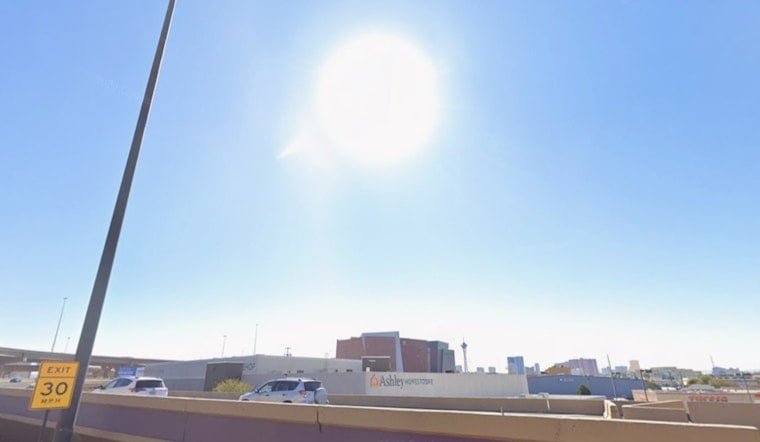
Las Vegas woke up to clear skies and a hard snap of summer heat on Sunday, June 21, with highs already headed for the low 100s. The NWS expects daytime highs near 104°F Sunday, rising to about 106°F Monday and peaking near 110°F by midweek. Nights will stay steamy, with lows mostly in the mid-to-upper 70s and into the 80s, which means little overnight relief. That pattern raises health concerns for outdoor workers, older residents, and anyone without reliable cooling.
What To Expect This Week
High pressure building over northern Mexico will keep the valley hot through Thursday, June 25. According to NWS Las Vegas, widespread Moderate Heat Risk is likely, with pockets of Major Heat Risk in the lower desert valleys. Expect east-southeast afternoon breezes and light to moderate gusts across the basin.
Overnight Heat And Health
Overnight temperatures will not offer much relief: lows are forecast in the upper 70s to mid 80s, including a low near 85°F Tuesday night, June 23. Those warm nights can make cooling and recovery harder for people with limited air conditioning or the elderly, so plan activities for early mornings or late evenings. Stay hydrated and check on neighbors, particularly anyone living alone or without reliable cooling.
Midweek Storm Risk And Fire Concerns
Moisture from the monsoon will push north into the Mojave mid-to-late week, bringing a small chance of isolated showers or thunderstorms Wednesday and Thursday, June 24–25. With dry air near the surface, lightning could be dry and storms may produce strong outflow winds, a combination that raises fire-start concerns. Expect gusty winds in the mountains and brief, unpredictable storm bursts rather than widespread rain.
Where To Cool Off
Clark County has opened daytime cooling stations across the valley from June 22–28; find locations and hours on the Clark County page. Many libraries and recreation centers are serving as cooling sites and some locations allow pets in carriers; check ahead for hours. If you or someone you know lacks AC, consider using a staffed cooling station or one of the 24-hour resource centers listed by the county.
Plan For Events And Safety
Small outdoor events should shift activities to mornings or evenings and avoid strenuous labor from 11 a.m. to 6 p.m., when heat peaks. Drivers and pet owners should remember that vehicle interiors can reach dangerous temperatures quickly. Employers and event organizers should provide shade, water breaks, and cooling options for staff and volunteers.
Hoodline reported earlier in June on gaps in cooling access and local heat-mitigation planning, and those operational questions will be tested now as temperatures peak. We will track forecasts and update readers if the NWS issues heat warnings or watches. For now, treat this week as a prolonged heat episode and take basic precautions to avoid heat illness.



