

























































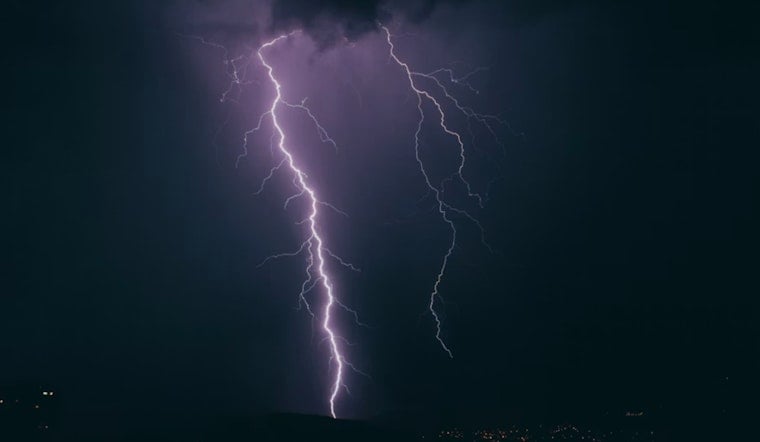
Washington County residents trying to ease into the weekend instead got a jarring late-night wake-up call, as a severe thunderstorm warning stretched from late Friday into the early hours of Saturday. Radar and forecasts flagged a strong cell that could spit out penny-sized hail and pack wind gusts near 60 mph, strong enough to snap branches and chew up roofs. Communities from Plymouth through Pleasant Grove and Roper were all in the bullseye as the storm line crept east.
At 11:47 p.m. EDT on Friday, the National Weather Service office in Newport/Morehead City issued the formal severe thunderstorm warning, citing a storm located over Westover near Plymouth and tracking east at about 20 mph. Forecasters warned of maximum hail around 0.75 inches in diameter and wind gusts up to 60 mph, and set the warning to expire at 12:30 a.m. Saturday, according to the National Weather Service Newport/Morehead City.
As reported by the Raleigh News & Observer, the advisory specifically called out Pleasant Grove, Scuppernong, Phelps Lake, Mackeys and Roper, and urged anyone in the path to move to an interior room on the lowest floor of a sturdy building until the storm passed. The News & Observer also relayed the NWS request for residents to report hail or wind damage, including downed trees or large limbs, by calling the Newport office at 1-800-889-6889.
Staying Safe When The Sky Turns Mean
Lightning and sudden damaging winds are the big problems with fast-moving summer storms like this one. The National Weather Service notes that thunderstorms produce roughly 20 to 25 million lightning flashes across the United States each year and that lightning kills about 20 people annually. The basic rules still apply: get inside a building or a hard-topped vehicle, steer clear of corded phones and plumbing, and wait a full 30 minutes after the last rumble of thunder before you head back outside, according to the National Weather Service.
Officials are urging residents to keep an eye on local media and official channels for updates and to follow any instructions from emergency authorities. If you come across downed power lines or structural damage, keep your distance and contact local officials rather than trying to handle it yourself. People in the warning area were also asked to report any storm damage and to stay alert for any additional NWS advisories through the night.





