

























































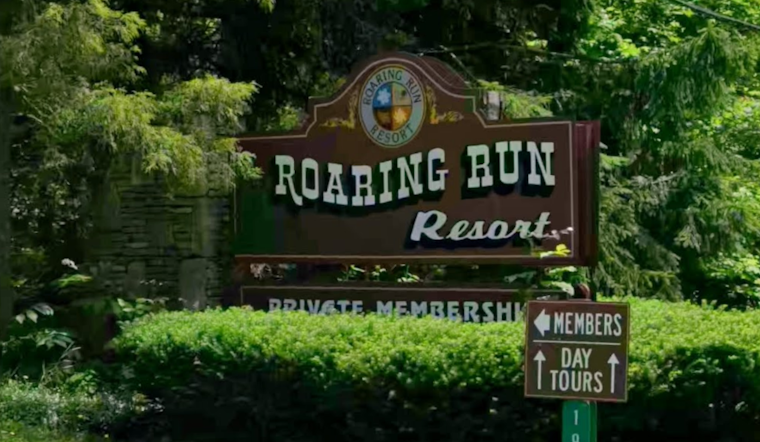
What was supposed to be a laid‑back, lifelong camping escape in the Laurel Highlands has turned into a full‑blown courtroom drama. Hundreds of Pittsburgh‑area campers are lawyered up after the new owners of Roaring Run Resort told long‑time members that their “lifetime” passes were void and that they would have to pay sharply higher fees or pack up and go.
Campers say many of them shelled out $10,000 or more for those lifetime agreements, only to learn via email that the deals were suddenly off. The fallout has turned the quiet, 100‑acre campground into the center of multiple lawsuits and cross‑claims instead of summer cookouts and campfires.
Sale, Promise And The Email That Changed Everything
Roaring Run Resort’s longtime owner, Jay Corl, sold the property to Tannery, a Texas limited liability company, for about $2.5 million. According to campers, Corl repeatedly assured members that their existing contracts would transfer to the new ownership and continue as usual. The new owners later told members that those lifetime memberships were not part of the deal.
More than 700 members reportedly received an email stating that their lifetime agreements were “null and void” and outlining an entirely new rate structure. Members have now filed suit against both the previous and current owners, and the new owners have in turn filed claims against the seller, creating a legal tangle that is now being sorted out in court, as reported by CBS Pittsburgh.
New Fees, Stark Choices
The email gave campers a costly set of options: pay $60 a day, $250 a week, or roughly $3,000 for a season, or risk losing access to their sites altogether. The notice warned that anyone who did not “elect one of the new options” would receive a formal order to vacate.
Families who had already paid five‑figure sums for what they understood to be lifetime spots say the new fees would push them out of the community they have built among the resort’s wooded lots and gravel roads. As reported by Moneywise.
Campers Fight Back
Attorneys for the campers argue that the families are the victims of a serious injustice and are asking the court either to reinstate the original memberships or order refunds. “The injustice is, as alleged by us, the defendants have refused to honor these memberships, and our people, the right to camp,” attorney Matthew James said.
For many, it is not just about the money but about losing a lifestyle they thought was guaranteed. “It’s just a different kind of life, and I just can’t imagine that someone could be so disconnected and cold to say your memberships mean nothing,” camper Catherine Thompson said, according to CBS Pittsburgh.
What The Law Says
Whether a “lifetime” pass survives a sale of the property usually comes down to the fine print. Courts look closely at whether membership rights were tied to the land itself or only to the original seller, which is why fights like this often play out in civil court rather than being resolved with a quick phone call.
Pennsylvania’s consumer protection system includes processes for addressing prepaid membership disputes, including those involving clubs and similar services. The Attorney General’s office guides how consumers can file complaints and seek refunds or other relief in these cases, as outlined by the Pennsylvania Attorney General.
What To Watch Next
Both sides are now headed for their day in court, and campers say they are holding out hope for one of two outcomes: either their old agreements are honored, or they get their money back.
In the meantime, the dispute has left a close‑knit camping community scrambling for answers instead of planning their next season. Attorneys are combing through the resort’s sales documents, the original membership contracts and the now‑infamous email that set off the fight, as reported by Moneywise.





