

























































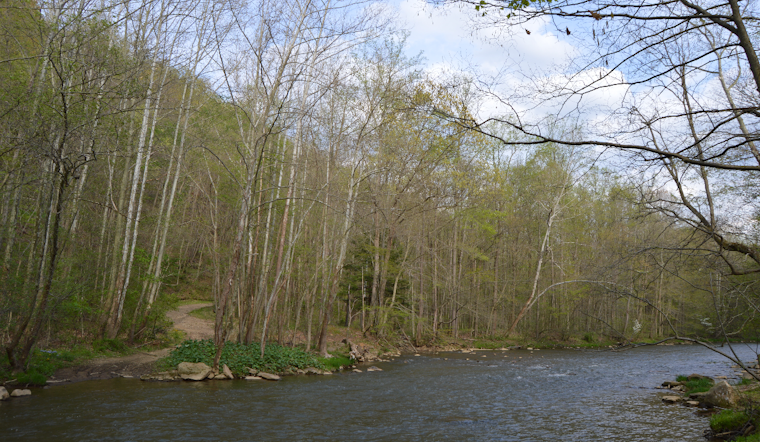
An underground coal mine proposed for the Laurel Highlands could be cleared to send large volumes of treated minewater into the headwaters of Jacobs Creek, according to a draft permit now in the hands of the Pennsylvania Department of Environmental Protection. The Rustic Ridge II project, proposed by LCT Energy, would open roughly 2,300 acres of underground workings to extract metallurgical coal and would treat and release mine water downstream. That draft permit and its public comment period have sparked resistance from watershed advocates and nearby residents, who warn the plan could threaten trout, private wells, and the region’s tourism economy.
What the draft permit would allow
According to the Pennsylvania Bulletin, the DEP’s draft NPDES permit (PA0236641) identifies three outfalls that would discharge treated mine water into tributaries of Jacobs Creek and places the application documents on file for public review at the California District Mining Office. The Bulletin notice also states that the department has already held an informal public conference in Donegal and that written comments will be accepted through June 30, 2026.
How much water are we talking about?
Local conservation groups and company filings do not line up on the volume. The Mountain Watershed Association notes the mine could pump up to 2.8 million gallons of lower-quality mine water per day through three outfalls. Company figures cited by The Allegheny Front put the anticipated discharge closer to 1.66 million gallons per day of treated mine water. Both sets of documents describe settling ponds and effluent limits that are intended to keep discharges within state thresholds, yet advocates argue that sheer volume and higher temperatures could still alter the fragile headwater ecology.
What critics say is at stake
“They would need to bury or permanently destroy over 1,700 feet of headwaters of Jacobs Creek and they would also need to fill in just over a half an acre of wetland,” Stacey Magda of the Mountain Watershed Association told WESA. Magda also noted that even treated minewater can contain iron, manganese, and aluminum, and that water pumped from deeper underground can be warmer than the coldwater streams Pennsylvania designates as trout habitat. Those shifts, she warned, could reshape the headwater ecosystem that supports local recreation and fisheries.
Company track record and subsidence worries
LCT Energy says it plans to use room-and-pillar mining in an effort to limit surface impacts. However, the company has acknowledged that this method did not prevent subsidence above portions of the nearby Rustic Ridge #1 mine, where several homes experienced structural damage, according to reporting. The company later bought some of the affected properties, and DEP records reviewed by reporters document dozens of claims of water loss and contamination linked to underground mining in recent years, as reported by The Allegheny Front.
How residents can weigh in
The Pennsylvania Bulletin confirms that written comments on the draft permit are being accepted through June 30, 2026, and that application materials are available for public review at the California District Mining Office. Local organizers with the Mountain Watershed Association advise commenters to include permit number PA0236641 in their submissions and note that residents may contact Lori Jenkins at [email protected] to request documents or submit written testimony.
Why the fight over Jacobs Creek matters
Beyond the legal language and technical permits, leaders of camps and retreat centers say any change to Jacobs Creek could ripple through a local economy that leans on outdoor visitors and on the stream itself for education and recreation. Local operators told WESA they worry that altered flows and warmer, treated discharges would make the creek less suitable for stocked trout and for activities like youth creek walks and cabin retreats that help draw people to the Laurel Highlands.





