

























































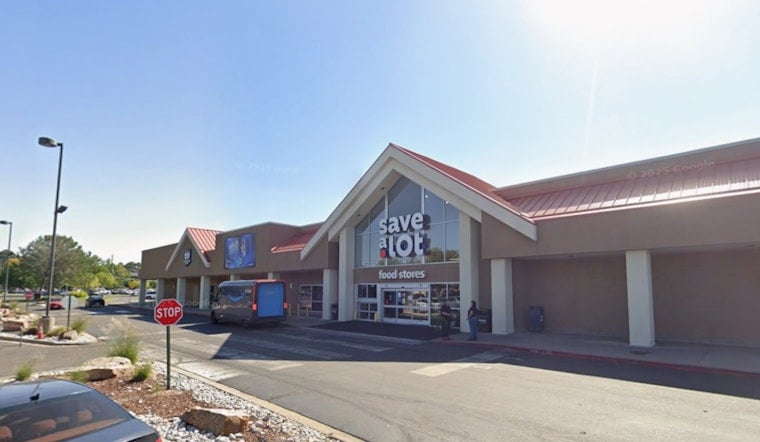
For a year, a quiet experiment at two small-town grocery stores turned the usual food pantry routine on its head. Instead of lining up for boxes or racing to a giveaway, neighbors in a pilot from the Colorado Food Cluster walked into their regular stores and simply shopped. At the Save-A-Lot on Leetsdale in Denver and Simple Foods Market in Del Norte, enrolled customers picked out fully subsidized, culturally responsive groceries and checked out like anyone else.
By the time the pilot wrapped, organizers say 181 people from 72 households had taken part, saving roughly $211,000 on groceries while generating more than $250,000 in revenue for the participating stores. Now, program leaders are working to pull together about $1.2 million to see if the model can work at a larger scale in places like Durango and Pueblo.
How The Food Trust Worked
Instead of new cards or paper vouchers, the Food Trust plugged directly into each store's point-of-sale system. Participants logged in with a phone number, then bought covered items with a built-in subsidy, keeping the entire experience as close to a normal grocery run as possible and, organizers hope, far less stigmatizing.
According to Colorado Food Cluster, the pilot partnered with both larger and independent grocers and layered a tech platform and evaluation team on top of store-selected item lists. Retailers still managed inventory and suppliers as usual, but core foods at checkout could be fully covered for enrolled shoppers.
Pilot Results And Funding
As reported by The Colorado Sun, the pilot launched in July 2025 and quickly drew more than 850 applications for 150 available spots, ultimately serving 181 people from 72 households. The outlet also reports the project raised more than $2.1 million to run the yearlong test, with funding split at about 58% from philanthropy, 41% from public sources, and 1% private.
According to the documents cited by the Sun, each enrolled participant received a daily credit worth roughly $11.23 for covered foods. That structure, they say, translated into an estimated $211,000 in grocery savings for participants and more than $250,000 in store revenue connected to the pilot, including purchases of items not covered by the subsidy.
Why Leaders Want To Scale
"We hope that every neighborhood has a program like this in their neighborhood stores," Colorado Food Cluster Executive Director Kristen Collins told The Colorado Trust. That reporting notes the next phase comes with a fundraising target of roughly $1.2 million and could branch into health-focused pilots such as "food as medicine" initiatives and partnerships with insurers.
Backers, including foundations and public funders, are now weighing whether this kind of neighborhood-based subsidy can compete on cost and impact with larger federal safety-net programs or whether it should be treated as a complementary tool.
Stores Saw New Customers And Less Waste
On the ground, retailers say the pilot changed who walked through the doors and what ended up in their carts. Leevers Supermarkets, which operates the Leetsdale Save-A-Lot, told The Colorado Sun that the program brought in shoppers who were not regular customers and prompted the company to adjust supplier lines to better match neighborhood tastes.
In Del Norte, the owner of Simple Foods Market reported that produce spoilage dropped sharply in the early months of the pilot, by an estimated 50%-75%. Store managers also noticed that many customers picked up items that were not covered by the subsidy while they were buying their fully funded groceries, lifting total sales along with access.
A Gap SNAP Doesn't Fill
Organizers framed the Food Trust as a way to reach people who are struggling with food costs but are not fully served by federal benefits. Reporting tied to the pilot found that more than half of participants were not enrolled in SNAP, WIC, or Medicaid, and advocates argue that many food-insecure households fall just outside SNAP eligibility guidelines.
As outlined by The Colorado Trust, the model also doubled as a short-term pressure valve during last year's federal shutdown, when organizers temporarily enrolled 57 people from 10 households. The structure of the program allowed participants to donate about $14,000 to people affected by the lapse, a flexibility backers say shows the value of having a locally controlled system that can respond in real time and reduce stigma around getting help.
Evaluation And The Path To Scale
The Food Trust includes a built-in evaluation that will draw on claims data, self-reported surveys, and shopping behavior to understand what changed for families. The Colorado Food Cluster says it is working with the Center for Improving Value in Health Care to track impacts on health and economic stability.
According to the Colorado Food Cluster, program leaders plan to use those findings to sharpen cost estimates and make their case for broader public and private investment. For now, it remains a small pilot. But community leaders and retailers who took part say it has already added a potentially powerful new option to Colorado's anti-hunger toolkit, one grocery checkout at a time.





