

























































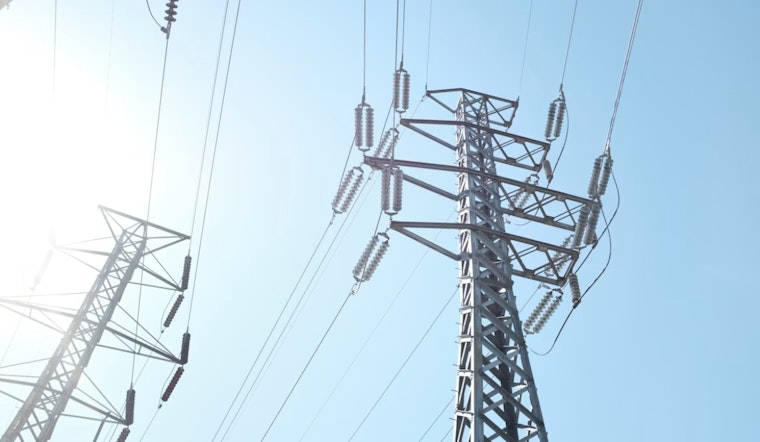
Northern Colorado’s red-hot growth is running into a very basic problem: there may not be enough electricity to keep all those new lights on.
City leaders are warning that the region’s surge in homes, factories and data centers could slow or even stall this year because the grid is struggling to keep up. Without more dispatchable generation and the transmission lines to move that power, projects that promise new jobs and badly needed housing could be delayed or pushed to other states.
“We are growing pretty rapidly,” Don Threewitt, interim community and economic developer for Greeley, said as local officials outlined how electrification, from electric vehicles to always-on workplaces, has pushed demand past what the current system comfortably supports. City planners estimate population growth at roughly 1.5% to 3% a year, and they note that planning and building the lines, substations and other gear to serve that growth can take five to eight years. In a statement to CBS Colorado, Xcel Energy said it intends to add more dispatchable capacity at regional sites and has proposed a near-term procurement to bring thousands of megawatts online.
Where the power will come from
Xcel’s investor materials outline a hefty spending plan: about $17.6 billion in base capital expenditures for its Colorado utility between 2026 and 2030, aimed at generation, transmission and distribution upgrades. The company says that money would go toward new substations, transformers and feeder work to reinforce distribution systems in fast-growing communities.
Those documents describe a multiyear modernization push that is meant to line up new generation with the local hardware that actually delivers electricity to homes and businesses. Regulators still have to sign off on the specifics. Xcel Energy and related Colorado distribution filings detail the scope of what is on the table.
Near-term procurement and the tax-credit race
To speed things up, regulators and developers have backed a fast-track “near-term procurement” so qualifying projects can capture federal tax credits before they expire. Supporters argue that moving quickly will lower long-run costs for customers, while critics warn that the rush could invite mistakes.
The accelerated effort could add several thousand megawatts of capacity, and analysts estimate that securing the credits now may save customers roughly $3 billion compared with buying the same capacity later without those subsidies. The compressed timeline has turned filings, interconnection studies, and transmission planning across the state into a sprint, according to Colorado Public Radio
Republican U.S. Rep. Gabe Evans said the shortfall is already shaping economic development choices. “We don't have enough power,” Evans told CBS Colorado, adding that he is aware of companies that passed on locating in the region because they could not secure the service they needed. He said he is drafting legislation to streamline permitting and interconnection, an effort that would require coordination among local governments, utilities and state and federal agencies.
Transmission bottlenecks remain the choke point
Even when the new generation is approved, moving that electricity to the places that need it is its own headache. Transmission planning, permitting, and construction can drag on for years and often lag far behind the schedules of developers counting on that power.
Regulators and regional grid operators are wrestling with how to phase projects and ration scarce transmission capacity so that new customers do not undermine reliability for existing ones. In the meantime, some developers are leaning on onsite batteries or temporary gas peaker units while longer-lead transmission projects grind through engineering reviews and permitting fights, according to RTO Insider
For Northern Colorado, that translates into a blunt reality: subdivisions, industrial parks, and large commercial projects can be fully entitled and financed on paper, yet still stuck waiting on the physical wires needed to serve them. City officials and utilities say the next wave of regulatory decisions and interconnection studies will largely determine which projects can break ground soon and which ones sit in limbo.
In the coming weeks, expect a steady stream of public hearings, rate cases, and dense technical filings to hit the docket at the Colorado Public Utilities Commission. Behind all the jargon is a simple question that matters a lot in Greeley and beyond: can the region add enough electrons, and the infrastructure to deliver them, to keep its boom from flickering out?





