

























































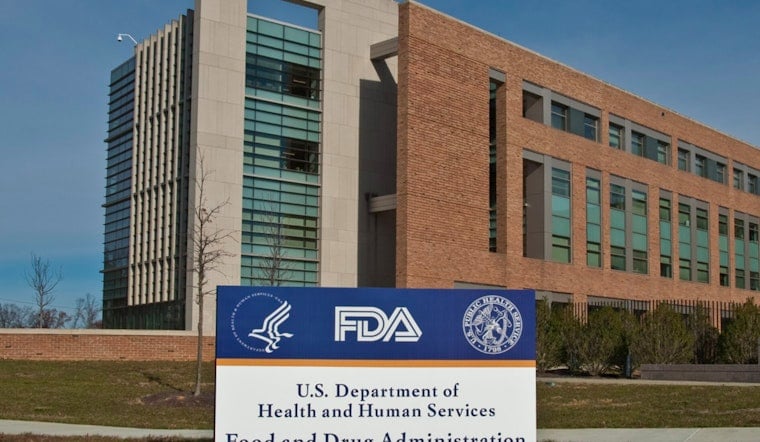
Long Island’s oncology world may be headed straight for the Beltway. Jeff Vacirca, the CEO of New York Cancer & Blood Specialists, is reportedly one of the final candidates under consideration to lead the U.S. Food and Drug Administration. The development puts a local oncology executive in the mix to run a major federal regulator during a period of unusually rapid leadership turnover at the agency. If nominated and confirmed, Vacirca would move from community cancer care into a politically charged role shaping approvals, safety and enforcement across drugs, devices and food.
People familiar with the process told Bloomberg that Vacirca has been placed on a White House shortlist and that the administration has not yet made a decision. The report cited individuals who asked not to be named because the discussions are private, a reminder that the jockeying for top health jobs in Washington often happens out of public view until the last minute.
From Long Island Clinics To Washington Hot Seat
Vacirca has led New York Cancer & Blood Specialists as CEO and chairman for years and was a co‑founder of the community oncology network OneOncology, building a national profile in community cancer care. According to NYCBS's website, the practice treats roughly a million patients a year across more than 40 locations and dozens of hospital affiliations, operational experience that could appeal to an administration looking for hands‑on managers rather than pure theorists.
Industry Ties And Fresh Stock Activity
Vacirca’s corporate ties are likely to be a focal point for ethicists and senators if he is ultimately nominated. Caris Life Sciences disclosed in a Form 8‑K that Vacirca was elected to its board at the company’s June 4 shareholder meeting. A separate SEC Form 4 filed May 12 shows he purchased 31,050 shares of Caris on May 11 at a weighted average price near $16.15, details that appear in the public filings. Those kinds of financial links are standard fare in industry, but in a Senate confirmation hearing they typically draw pointed questions.
FDA At A Crossroads
The agency has been operating without a permanent leader since Commissioner Marty Makary resigned in May, with Kyle Diamantas serving as acting commissioner, according to The Washington Post. That leadership gap has left major policy questions, from drug‑approval pathways to device reviews, unsettled, a dynamic legal analysts say makes the White House pick unusually consequential for both industry and patients.
Legal And Ethics Questions
Any nominee for a Senate‑confirmed post faces an ethics clearance process that can require recusals, divestiture or other safeguards. HHS guidance and federal law note that 18 U.S.C. § 208 bars participation in particular matters that would directly and predictably affect a public official’s financial interests. The scope of any required divestitures or recusals would be spelled out during pre‑nomination vetting and in Office of Government Ethics and HHS reviews, which often become fodder for pointed questioning on Capitol Hill.
What Comes Next
The White House review is ongoing and no formal nomination has been announced. If a nomination is sent to the Senate, it would trigger public disclosures, committee hearings and additional scrutiny, including the ethics reviews noted above, according to regulatory reporting. Local oncology practices, patient advocates and watchdog groups will be watching how any nominee handles corporate relationships and past industry roles.
For New York patients and clinicians, the selection of a home‑grown oncology leader would mark a major shift from private practice to federal rule‑making, raising both hopes for practical, clinic‑level insight at FDA and questions about potential industry influence. For now, Vacirca’s name sits in the high‑stakes shuffle of short‑listed candidates, as Long Island quietly waits to see whether one of its own is tapped to run the nation’s chief medical gatekeeper.





.jpg)