

























































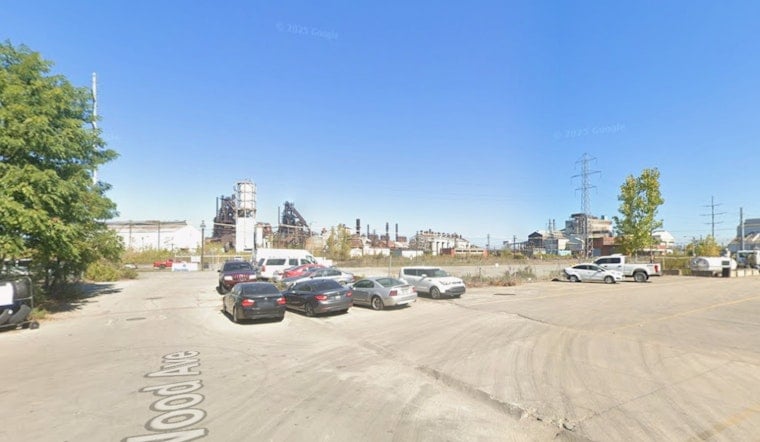
The long-idle Republic Steel plant still looms over Lorain’s south side, a rusting reminder of the days when the mill was the city’s biggest employer. Now the massive complex along the Black River sits mostly quiet while city officials quietly pitch it to investors and developers, and residents weigh whether a factory comeback would bring more opportunity or more headaches.
"It’s an eyesore," said neighbor James Torres, who can see the shuttered mill from his E 28th Street porch. The sprawling campus once employed roughly 16,000 people at its peak, as reported by News 5 Cleveland. Drone footage that circulated in 2024 showed crumbling buildings and scattered debris, images that city officials say helped push the company toward cleanup agreements and highlighted just how much environmental work would be needed before any heavy production could return.
Steel Graveyard Still A Logistics Prize
City planning documents stress that the Republic campus still has what most industrial developers dream about: deep-water access on the Black River, existing rail spurs, and nearby highway connections. The City of Lorain’s redevelopment pages describe pellet-terminal cleanup and other brownfield work already underway, according to the City of Lorain, and federal permitting records keep the mill at 1807 E 28th St on the EPA’s radar. That mix of infrastructure is a big reason the property continues to attract interest in spite of years of decay.
City Woos Developers And Overseas Steelmakers
City leaders have been actively pitching the mill’s logistical advantages to potential buyers, and industry reports indicate that international steel companies have kicked the tires on a possible restart. The trade outlet Steel Market Update detailed a November 2025 push from the mayor’s office and pointed to early job projections that range from the hundreds to the low thousands in some scenarios. For now, there are no public commitments from any company, and officials say discussions remain ongoing and confidential while environmental work continues in the background.
Massive Cleanup Before Any Real Comeback
A true return to heavy steelmaking would not be as simple as flipping a switch. It would demand extensive environmental remediation, updated air and water permits, and proof that power supply and logistics can handle renewed production before hiring could even start. Corporate filings and annual reports show that work at the plant has been paused or scaled back in recent years. Grupo Simec’s own documents describe construction halts and investment reviews that leave the state of equipment and any future timeline up in the air, according to the company report. Federal records still categorize the facility as idled, while regulators and the city track cleanup and permitting steps.
Hopes For Paychecks, Fears Of Pollution
For neighbors like Torres, a reopened mill would mean steady paychecks and more money flowing back into a neighborhood that has struggled through decades of deindustrialization. Others, including the Lorain Historical Society, point out that steel once drew immigrant families to the city and helped build churches, clubs, and community institutions, a legacy that shapes local optimism and caution in equal measure, as reported by News 5 Cleveland. City staff says they intend to push for binding cleanup requirements and concrete hiring commitments before signing off on any large-scale restart, and residents are watching closely for named developers or new corporate filings that would make the talk feel real.
What comes next will likely show up first in public paperwork: any formal announcement from the mayor’s office or an identified developer, new disclosures from Republic’s owner, and fresh permit activity at state or federal agencies. Until those pieces fall into place, Lorain’s leaders are treating the vast yard as a long-term asset, one that could eventually revive paychecks and waterfront activity, but only if it survives a costly round of cleanup and infrastructure work first.





