

























































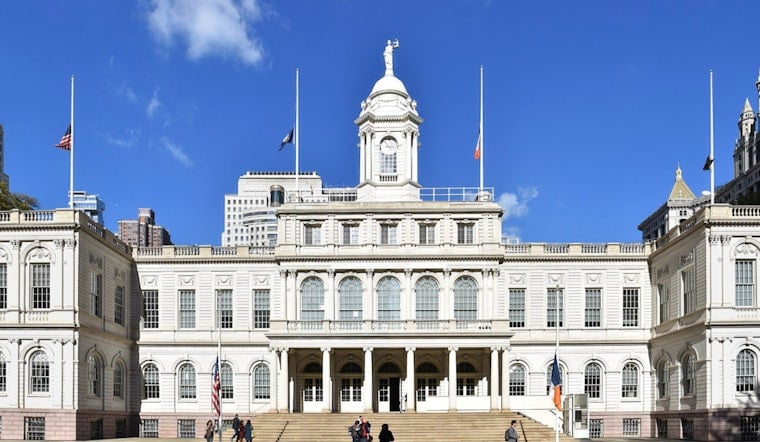
City Hall is catching heat from one of its own unions, which on Wednesday demanded that Mayor Zohran Mamdani finally release an overdue pay-disparity report. Union leaders say the missing dataset leaves thousands of municipal workers, many of them women of color, in the dark about who earns what while rent, housing and grocery costs keep climbing. CWA Local 1180 argues the update would spotlight where pay lags across agencies and could reorder bargaining priorities ahead of contract talks, and they say the delay undercuts transparency and leaves members scrambling to make ends meet.
CWA Local 1180, which represents more than 9,000 active members and is, the union says, "overwhelmingly comprised of women, women of color, and other minorities," covers administrative staff across NYC Health + Hospitals, the Department of Education and other agencies. Union officials say a clear, public pay-disparity report would give both negotiators and the general public a straightforward breakdown of who is paid what inside city government. Local 1180 has been staging rallies and ramping up public pressure as bargaining talks draw closer.
The demand was laid out in reporting by Documented, which cited union leaders and an email from Ray Legendre, a spokesperson for the city’s Office of Technology and Innovation. In that email, Legendre said the city "is working to release the 2025 update," although he did not offer any specific timeline for when workers or the public might actually see the numbers.
New York City employs roughly 364,340 full- and part-time municipal workers, who had a median salary of about $87,550 in the city’s FY2024 workforce profile. Those headline figures show why a detailed and transparent pay snapshot matters for both affordability and recruitment across agencies, advocates say. Without the report, it is tough to see which titles and departments are lagging the most or where raises would do the most work to close gaps. The data were previously compiled in NYC.gov.
Council findings and the law
In 2024 the City Council released a pay-disparities analysis that found Asian, Black and Latino municipal workers earned about $0.84 for every $1 paid to white employees, and that women of color made up more than two-thirds of the overall racial pay gap. The report was produced under Local Law 18 of 2019, known as the Pay Equity Law, which requires the mayor’s office to publish pay and demographic data and grants the Council access to records for its own analysis. The figures and recommendations are laid out in a report from the New York City Council.
National context
The city’s numbers fit a familiar national pattern. Analysts at the Economic Policy Institute have found that the median Black worker earned roughly 24.4% less per hour than the median white worker in their review of labor market outcomes. Federal data from the U.S. Census Bureau show that full-time, year-round women earned about 81 cents for every dollar earned by men. That wider backdrop helps explain why unions and elected officials say the city’s pay-disparity dataset is not just about abstract fairness, it shapes local policy choices and budget priorities.
What’s next
CWA Local 1180 says it plans to keep up public pressure while negotiators prepare for contract talks, and the Council has indicated it will continue pushing for access to the underlying data. The Mamdani administration has rolled out a Preliminary Citywide Racial Equity Plan that pledges to confront structural disparities, and city officials say that plan and the pay-disparity reporting are supposed to work together as part of a broader push to measure and close gaps, as outlined in an announcement from the NYC Mayor's Office.
For now, the standoff is mostly about timing. Unions and the Council want the new 2025 numbers released before key bargaining rounds begin, so the data can shape demands at the table. City Hall says analysts are still compiling files from across agencies. If the 2025 report lands soon, it could quickly reshape both negotiations and the public debate over pay equity across New York’s vast municipal workforce.





