

























































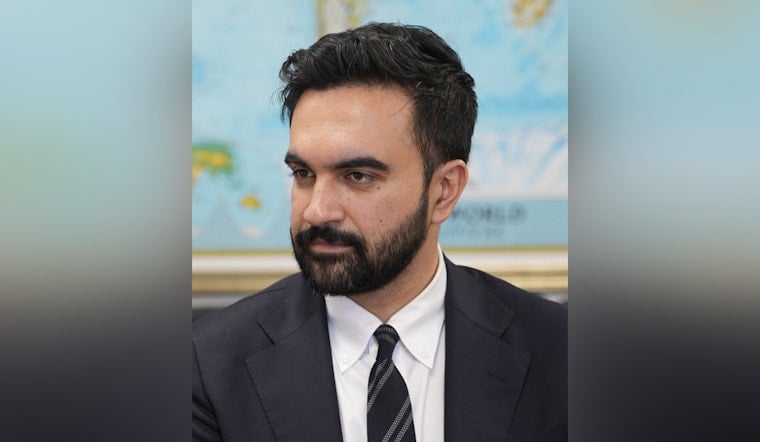
New York City’s emergency response for asylum seekers is not winding down just yet. Mayor Zohran Kwame Mamdani signed Emergency Executive Order No. 2.35 on June 29, 2026, tacking another 30 days onto the city’s long‑running migrant shelter emergency and keeping temporary legal changes in place. The order preserves the rules that let the city run large humanitarian shelters while also telling agencies to speed up plans to phase those sites out, a process neighbors, shelter providers and advocates are watching closely.
According to the NYC Mayor's Office, EEO No. 2.35 extends the local state of emergency first declared in October 2022 for another thirty days and continues Section 1 of Emergency Executive Order No. 2.34 (dated June 24, 2026) for an additional five days. The order takes effect immediately and directs the Department of Social Services and the Department of Homeless Services, in consultation with the Law Department, to give the mayor regular updates on an implementation action plan. The release also points to an appendix that lists the specific Administrative Code provisions that stay suspended while the emergency is in force.
Which rules are suspended
The appendix keeps in place suspensions of several Administrative Code sections that have been central to expanding shelter capacity during the asylum response. The suspended rules include limits on referrals to non‑compliant hotel units, local caps on the size of adult shelters, and the prohibition on older “Tier I” family shelters. Those provisions are codified at §§ 21‑309, 21‑312 and 21‑124. First invoked in 2023 and renewed several times since, these suspensions have allowed the city to run larger Humanitarian Emergency Response and Relief Centers (HERRCs) and to place arrivals in hotel sites outside the traditional DSS and DHS systems.
Where this fits in the city's plan
The latest extension lands as the administration works through the DSS action plan, which lays out targets and timelines for bringing the shelter system back into full regulatory compliance. That plan reports that the city has opened more than 250 emergency sites since 2022 and that the asylum‑seeker census had dropped to roughly 30,000 by February 2026. It singles out the Bruckner Boulevard HERRC in the Bronx as the final non‑DSS site scheduled to close by the end of 2026. The overall strategy leans on phased transitions, including converting some hotel rooms, opening new compliant shelters and accelerating moves into permanent housing, all while trying not to disrupt services for families and individuals who are currently in care.
Legal limits and next steps
Under New York law, the mayor can only renew a local state of emergency in 30‑day blocks, and individual local emergency orders can run for no more than five days at a time while that emergency is in effect. That setup, spelled out in Executive Law §24, effectively forces regular re‑justification of measures like the current shelter rules and is described in recent legal analysis. City Council reforms earlier in 2026, including a cap on emergency contracts, have added another layer of oversight that officials say will help rein in open‑ended emergency spending as the city shifts from crisis footing to longer‑term housing solutions. Analysts at LegalClarity say these checks will likely influence how quickly emergency powers are rolled back.
For now, EEO No. 2.35 keeps the legal tools needed to operate large temporary sites in place while also insisting on an action plan and regular progress reports from DSS and DHS. Upcoming filings and agency reports will show whether the administration can hit its own transition goals. The mayor’s release lists [email protected] as the media contact for questions, and officials signal that more 30‑day extensions could follow if the phase‑out of emergency shelters stretches past the current timeline.




