

























































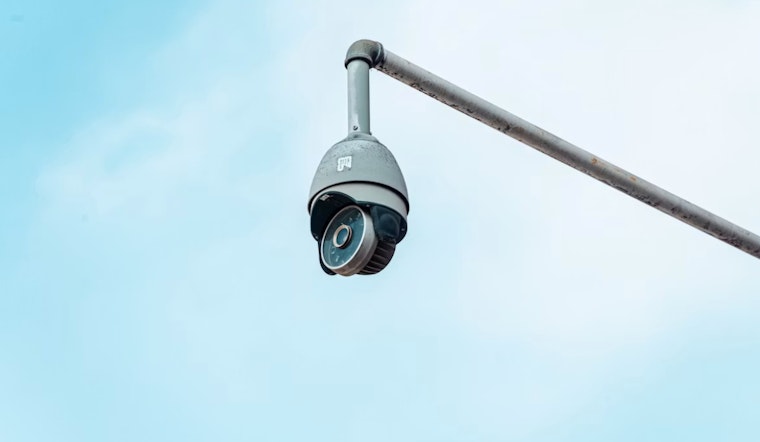
Medina will keep its flock of Flock cameras for at least another year, after city leaders on Tuesday renewed the police department’s annual subscription to the license-plate-reading system. Police Chief Ed Kinney told the finance committee the network has generated multiple investigative leads, speeding up cases by flagging vehicles tied to crimes or outstanding warrants. He stressed that officers use those alerts alongside traditional police work, not as a replacement. The renewal keeps the cameras watching roads across town for at least one more year, even as residents and privacy advocates elsewhere in Northeast Ohio keep sounding alarms about similar systems.
At a finance committee meeting on Monday, Kinney walked council members through the system’s track record, saying the cameras have helped recover stolen vehicles, track down stolen plates, and make arrests on outstanding warrants. As reported by Cleveland.com, Kinney said Flock uses an AI feature to flag suspicious inquiries, that all data sits on the vendor’s servers and is purged after two months, and that the platform includes built-in audits that log every search.
City paperwork shows the program was approved in 2023
Medina’s public records show the city first signed off on a Flock agreement in 2023 and has budgeted for the service in finance documents since. The city’s ordinance list and related finance committee materials on the Medina municipal website include references to the license-plate scanning agreement and invoices tied to additional cameras.
How the cameras work and what they keep
Flock’s system automatically reads and timestamps license plates, then alerts participating agencies when a plate on a hotlist passes a camera, according to the vendor. The company says its platform is built with retention limits and searchable audit logs that track who looked up what and when. Flock Safety says individual agencies typically set their own data retention windows, often in the 30- to 60-day range, through local policy.
Regional pushback and oversight questions
The Medina debate is playing out as part of a wider regional fight. In nearby Cleveland and other Northeast Ohio communities, a resident coalition calling itself “Flock No” has pressed city halls to revisit contracts and spell out tighter rules around how officers can search the system. Reporting from Ideastream Public Media and local TV outlets shows activists warning that the cameras could enable mass surveillance and demanding public audits, strict limits on immigration-related queries, and clearer transparency about how data moves between agencies.
Legal safeguards the chief highlighted
Kinney told council members that officers who misuse the system could face termination and even criminal charges, saying those penalties are backed up by regular reviews of the audit logs. His comments were detailed by Cleveland.com, and city case logs show Flock alerts being used to pass cases and leads to officers in the field. Those records are available through Medina’s municipal case releases and reports.
What to watch next
The renewed contract keeps Medina plugged into the Flock network as neighboring jurisdictions argue over their own renewals and oversight rules. Council members say they plan to keep a close eye on invoices and audit reports, and city officials say they will continue briefing residents on how the cameras are used. Privacy advocates, for their part, are signaling they are not going anywhere, promising to keep pushing for sharper limits and more public review of the system’s reach.





