

























































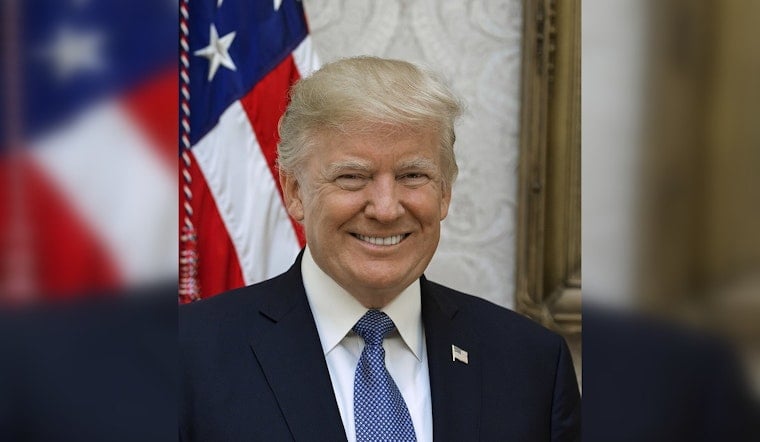
A new Marquette Law School national survey has President Donald Trump stuck at 38% approval, even as he continues to loom large over Republican primary voters. The numbers point to a familiar split screen: a deeply unpopular president with the broader public who still carries serious clout inside his own party. Released Wednesday, the findings sketch an electorate that is divided and volatile heading into the 2026 midterms.
Toplines and methodology
According to the Marquette Law School Poll, the national survey interviewed 1,001 adults between May 20 and May 26, 2026, with a margin of error of ±3.4 percentage points. Overall, 38% of respondents approve of Trump’s job performance and 62% disapprove, for a net approval of -24 points. The release includes full toplines, crosstabs and a methodology statement detailing the SSRS Opinion Panel probability sample used for the interviews.
Trump's hold on GOP primaries
Inside the Republican Party, it is a very different story. The poll finds that 71% of Republicans say they would back a primary candidate endorsed by Trump, while just 20% would support an incumbent he actively opposes, as reported by myFOX28 Columbus. Marquette points to recent primary upsets in Indiana, Louisiana, Kentucky and Texas as examples of how that endorsement power has played out on the ground. The effect is strongest among Republicans who identify favorably with the MAGA movement, where support for Trump-backed contenders is overwhelming.
Where he's losing ground
The same survey shows Trump taking his hardest hits on pocketbook issues. Approval of his handling of the economy sits at 30%, inflation and the cost of living at 22%, and just 19% approve of his handling of gasoline prices, according to the Marquette release. A striking 95% of respondents say gas prices have risen in the last six months, and a majority now say Democrats, not Republicans, are better able to handle the economy and inflation. Those vulnerabilities on cost-of-living issues help explain why overall approval has drifted lower since January 2025.
What it could mean for 2026
Marquette’s snapshot lines up with a broader pattern in which recent national trackers place Trump’s approval in the high 30s, giving Democrats a narrow early edge on some generic ballot measures, according to USPollingData. For Republican strategists, that split low general approval but strong sway in primaries creates a classic tradeoff: fire up the base with Trump-centric messaging or pivot toward the swing voters who are souring on his economic record. Campaign operatives will be poring over Marquette’s crosstabs and watching the month-to-month trend for clues on where to spend money and how to frame their autumn arguments.
The bottom line is that the Marquette poll portrays a party still held together by Trump’s endorsement power, even as the wider electorate gives him low marks on the issues that matter most to persuadable voters. How both parties decide to play that tension over the coming months will help determine whether these numbers translate into real gains or losses when ballots are counted in November.




