

























































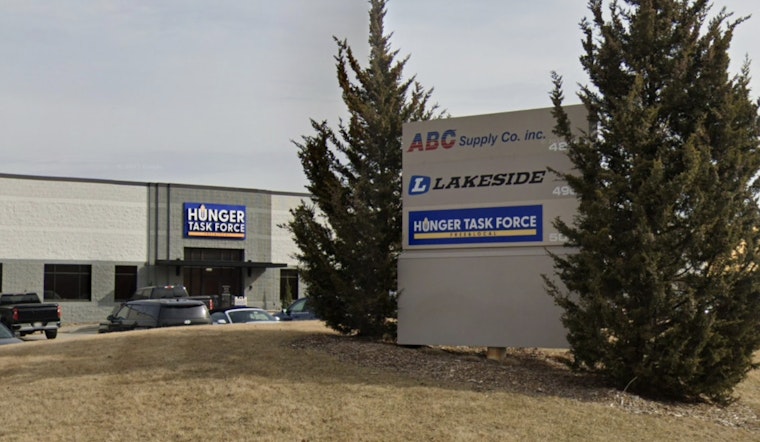
Across Milwaukee, more parents are clocking in at work, then lining up at food pantries on the way home. Volunteers say what used to feel like a short-term safety net is starting to look like a permanent second stop for families whose paychecks no longer match their rent. The rush is hitting just as summer meal programs are gearing up around the county.
Pantry network serving more people each month
Hunger Task Force reports that its food-bank network is now serving more than 175,000 people every month across Wisconsin, a number leaders describe as a sharp increase compared with recent years. According to Urban Milwaukee, local tracking shows pantry visits up roughly 30 to 35 percent across the network, with some partner locations seeing spikes close to 50 percent.
Rents squeezing already-tight budgets
Hunger Task Force leaders say housing costs are the main reason more working families are turning to pantries. CEO Matt King has told local outlets that rising rents, higher grocery bills and the rollback of pandemic-era benefits are combining to push families with steady jobs into food lines. Organizers warn the system is being used more as an ongoing support than as emergency backup, which is stretching volunteer capacity and pantry inventories.
Summer meals rolling out while need grows
Even as lines grow at pantries, summer meal operations are expanding across Milwaukee County. Federal and local partners say about 170 summer meal sites are planned this year and expect more than 600,000 free meals to be served by season’s end. The effort, run through the Summer Food Service Program with school and community sponsors, fills the gap when school cafeterias close. Still, leaders point out that steady pantry traffic shows families need help far beyond the summer window. The regional plan was detailed by the USDA Food and Nutrition Service.
Local programs and partnerships
To keep shelves stocked with more than just canned goods, Hunger Task Force has been working to expand local purchasing and connect Wisconsin farms directly to pantry clients. State funds and grants are being used to buy local produce and keep supplies stable as demand climbs, with an emphasis on fresh and culturally appropriate foods. Coverage of the farm-to-pantry effort was provided by CBS 58.
How to get help or help out
Residents who need food can find pantry locations, summer meal sites and outreach resources through Hunger Task Force’s website. Community members are being urged to donate or volunteer as demand rises, and staff say monetary donations are especially useful because they allow pantries to buy fresh items or culturally specific foods that are missing from the shelves. Visit Hunger Task Force for locations, volunteer information and ways to give.





