

























































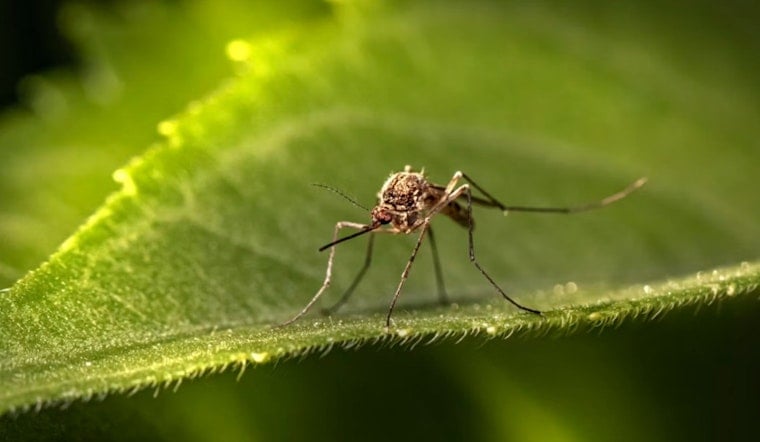
Fogging trucks are cruising through Bexar County neighborhoods and fresh mosquito traps are popping up on street corners as San Antonio heads into an early and unwelcome season of skeeters. Weeks of heavy rain have left behind pockets of standing water, and county mosquito crews are now ramping up fieldwork and specimen testing as local counts spike.
County ramps up fogging and testing
Crews are treating known standing water hot spots with larvicide, setting traps across the county and fogging established routes in neighborhoods with elevated mosquito activity, as reported by the San Antonio Express-News. The program typically monitors and treats about 1,400 center lane miles in each treatment cycle, the outlet noted. Officials say the stepped up runs follow a string of soaking storms that left water lingering in yards and drainage ditches.
What officials are telling residents
Local health officials are asking residents to do their part on the home front: dump standing water from tires, flowerpots, buckets and clogged gutters, use insect repellent with DEET or similar ingredients, and wear long sleeves and pants when spending time outside, according to Texas Public Radio. They also urge people to stay indoors at dusk and dawn when mosquitoes are most active and to keep windows and doors protected with screens. Residents in unincorporated Bexar County can report increased mosquito activity to the Public Works Office at (210) 335-6700, the outlet notes.
County versus city response
Bexar County Public Works says it treats ditches, drainage channels and county parks with larvicides and began routine fogging in May. The county also publishes home prevention guidance for residents, as outlined on Bexar County. Inside San Antonio city limits, a separate vector control program is operated by Metro Health, which can be reached at 3-1-1 or 210-207-6000, according to San Antonio Metro Health.
How worried should you be?
West Nile virus is the leading mosquito-borne disease in the contiguous United States and can cause severe neurologic illness in a small share of infected people, according to the CDC. Dengue can also be serious, though most dengue infections in the continental U.S. are travel-related. The CDC stresses personal prevention measures, such as repellent, intact window and door screens and avoiding exposure at dawn and dusk, as the first line of defense.
What county staff say
Ethan Spierling, a stormwater quality inspector with Bexar County Public Works, told KSAT that "they can adversely affect them pretty badly" when asked about disease risks, and that crews concentrate fogging and trapping in areas that show higher counts. The county also encourages homeowners to clean gutters, dump standing water and use larvicide "dunks" around yards while county teams focus on public drainage and park areas.
Hoodline previously covered an earlier uptick when county crews increased abatement after positive West Nile mosquito detections; see more on the third West Nile case for background. If you notice heavy mosquito activity on your property, you can report it to Bexar County Public Works at (210) 335-6700 or contact San Antonio's Metro Health via 3-1-1 (210-207-6000) for in-city concerns.




