

























































Nash County school hallways just got a serious tactical upgrade. Sheriff’s deputies have quietly outfitted School Resource Officers with ballistic shields, breaching shotguns and new rapid-entry training designed to cut down the time it takes to confront an active threat on campus. “Seconds is lives,” Sheriff Keith Stone said, arguing SROs need to be able to stop a threat immediately instead of waiting for backup. Sergeant Kevin Bissette, who leads the SRO program, says the new tools are meant to boost capability without replacing the day-to-day mentoring role officers play in schools.
What officers were given
As reported by Spectrum News, Nash County supplied SROs with ballistic shields and breaching shotguns and described "ballistic breaching" as using specialized shotguns and ammunition to punch through locked doors. The county said the breaching rounds are a frangible load, designed to dispel on impact so a lock or deadbolt is destroyed without creating dangerous ricochet inside a room. Officials told Spectrum the kit is intended to help a single officer move in and buy time for additional responders.
How breaching rounds work
Technical overviews explain that breaching rounds are manufactured to destroy locks and hinges and then fragment into a powdery residue, which reduces the risk of over-penetration or ricochet. Encyclopedic summaries note that many breaching slugs are made from sintered metal powder bound with wax, while law-enforcement trade coverage recommends frangible or jacketed frangible loads for training and entry work. See Wikipedia on breaching rounds and a Police1 primer on frangible ammunition for more on how those loads behave.
Training: Solo Officer Rapid Deployment
County officials say SROs are training under Solo Officer Rapid Deployment (SORD) principles, which instruct the first officer on scene to isolate, distract or neutralize a shooter rather than hold a perimeter and wait for a larger tactical team. That doctrine is promoted through formal courses run by Advanced Law Enforcement Rapid Response Training (ALERRT) and related state training programs, which emphasize entry options, live-fire drills and decision-making for a single responder. Agencies adopting SORD argue the move reflects lessons from past mass shootings, when long delays to entry proved deadly.
Lessons, funding and local rollout
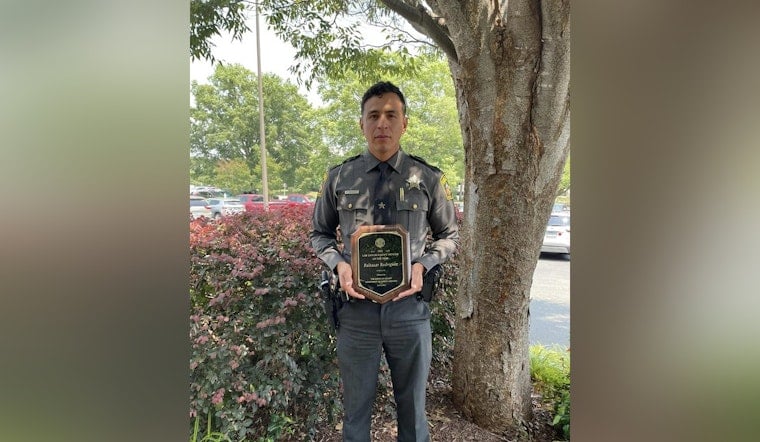
Sergeant Bissette says he spent about a week in Uvalde studying the Robb Elementary response and that what he observed there helped shape Nash County’s procedures. As reported by Spectrum News, the sheriff’s office has tapped asset-forfeiture accounts to cover equipment gaps while applying for state safer-schools grants through the North Carolina Center for Safer Schools. The county stresses that SROs still do mentoring work inside schools. Officers such as Baltazar Rodriguez are longtime coaches and told reporters that building trust with students remains central to their role.
How big a problem are school shootings?
Data from the K-12 School Shooting Database shows the scale of what officials say they are planning for: the database recorded 235 school shootings in 2025 and 81 so far in 2026. Those figures are increasingly shaping training priorities and grant requests at the county level, officials and safety planners say.
Debate over SROs and oversight
Not everyone agrees that more equipment and armed officers are the right answer. A Congressional Research Service overview and peer-reviewed research note that the evidence on SROs’ effectiveness in preventing school shootings is limited and that putting armed officers in schools can carry tradeoffs for student discipline and equity. Civil-liberties groups and some researchers urge investment in counselors, threat-assessment teams and prevention programs to run alongside any tactical upgrades; see the CRS analysis and academic reviews for broader context.
Nash County’s adjustments highlight the same balancing act facing districts across the country. Local officials say they are trying to blend everyday relationship work, with officers who coach and counsel, and training and gear meant to buy time when minutes, or even seconds, matter. The county plans to continue training and to seek state grant support as it evaluates whether the new approach alters outcomes on campus.



