

























































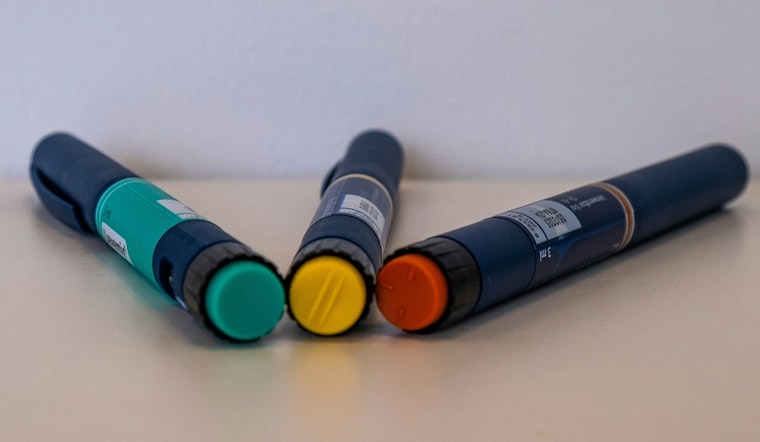
Recycling crews at Mecklenburg County sorting centers say they are yanking used GLP‑1 injection pens and loose needles out of curbside bins far too often, turning routine shifts into a safety headache for workers and a growing management problem for the county. The boom in self‑injectable diabetes and weight‑loss medicines has quietly turned an everyday plastic pen into a small but stubborn public health concern for recycling and solid waste teams, and local leaders and pharmacists are now racing to remind patients how to lock down sharps safely.
Local finds, local warnings
Mecklenburg County Solid Waste Director Jeff Smithberger told reporters that recycling staff have encountered tubs “full of sharps” at local facilities and that used needles are showing up alongside insulin and vitamin B‑12 treatments, as reported by Queen City News. Pharmacy manager Nirav Patel told the same outlet that many customers simply do not realize pens and needles need special handling, and noted that some pharmacies will accept used sharps for disposal. UNC Charlotte researcher Dr. Milind Khire has warned that loose sharps pose both occupational and environmental risks for the county.
Why the waste stream is swelling
GLP‑1 receptor agonists have shifted from relatively niche diabetes treatments into blockbuster weight‑loss drugs: about 11.8 percent of U.S. adults reported having taken a GLP‑1 in a RAND survey. RAND and prescription data show that use and prescriptions have jumped since 2020, which now translates into millions of single‑use pens moving through households each year. At that scale, even a small share of devices that end up in the wrong bin can turn into a recurring hazard for recyclers and trash collectors.
What regulators recommend
The Food and Drug Administration advises that used needles and injection pens should go directly into FDA‑cleared sharps containers, with residents following community rules for how to discard full containers instead of tossing loose sharps into recycling or curbside trash, according to the FDA. When commercial containers are not readily available, the CDC allows properly labeled, heavy‑duty household containers, such as rinsed laundry detergent or bleach bottles with tight caps, as temporary alternatives but warns against overfilling and stresses checking local rules first. CDC guidance spells out the safety standards for makeshift containers and when they are appropriate to use.
Where Charlotte residents can take full sharps
Mecklenburg County’s solid waste pages list supervised collection options and local guidance for household sharps, and tools like SafeNeedleDisposal can help residents find nearby pharmacy drop‑offs and household hazardous waste centers. Mecklenburg County and SafeNeedleDisposal both recommend calling ahead, since acceptance rules and any fees can vary from site to site. Many pharmacies and county drop‑offs will accept sealed containers, but residents are urged to confirm requirements and procedures before they show up with a full jug of needles.
Worker safety and environmental stakes
Incidents in other regions show how high the stakes can get: recycling centers have reported needlestick injuries along with sizable loads of improperly discarded syringes, and industry groups have documented the medical follow‑up those exposures can trigger. Sharps Medical Waste Services and trade reporting describe cases in which workers required treatment after accidental sticks, and biomedical waste research notes that improper sharps disposal can complicate landfill leachate control and damage liner integrity. Local officials say those worker safety concerns and the long‑term environmental costs are exactly why containment, not curbside recycling, is the priority right now.
What Charlotte households should do
The bottom line for residents is straightforward: do not put loose pens or needles in recycling. Used needles and pens should go into an FDA‑cleared sharps container or, if necessary, a heavy‑duty rinsed household container, then be sealed when it reaches about three quarters full and taken to a pharmacy drop‑off, household hazardous waste site, or an approved mail‑back program for final disposal. The FDA and CDC offer step‑by‑step instructions, and services listed at SafeNeedleDisposal can direct Charlotte residents to nearby options. If anyone is stuck by a needle or finds a loose sharp in a public place, they should contact local health authorities right away for instructions.
Longer term fixes and takeback pilots
Some manufacturers and retailers are testing pen takeback programs overseas, and advocates argue that reusable systems or manufacturer‑run returns could shrink the mountain of disposable plastic. Coverage of international pilots such as Boots and Novo’s PenCycle in the U.K. highlights one possible path, but similar infrastructure remains limited in the U.S., which means the safest choice for now is still proper containment and use of approved local disposal channels while policy and product changes slowly catch up. Which? has tracked these overseas pilot programs and the early conversations manufacturers are having about design tweaks and future recycling options.





