

























































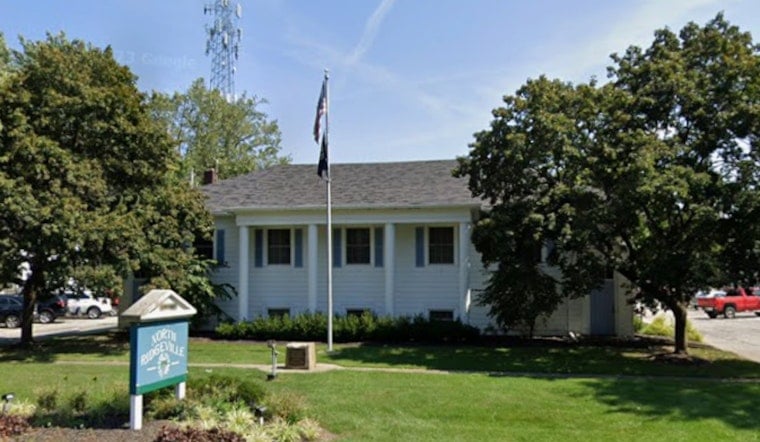
North Ridgeville City Council has hit pause on data centers and crypto-mining outfits, voting in mid-May for a 12-month moratorium on planning, zoning, and building approvals for those uses. The move, passed as an emergency measure, took effect immediately and shut down new permit activity while city staff studies what these massive operations could mean for local infrastructure and public health. The crowd that turned out let officials know they are paying attention, with residents warning about environmental fallout while others urged the city not to walk away from potential economic gains.
Residents Split Over Environmental Risks And Economic Promise
During the public hearing, neighbors lined up to talk about what big server farms might bring with them: constant noise, more truck traffic, and possible pollution. Resident Bernard Garcia told Cleveland.com that data centers “can be very polluting to water, air, and soil,” while Rudy Ringwall cautioned against closing the door completely, arguing they can be lucrative under the right circumstances. Several speakers homed in on the potential strain on the city’s water and wastewater systems as their top concern. The back-and-forth laid bare a familiar tension: fears about property values and environmental damage on one side, and the lure of jobs and tax revenue on the other.
Moratorium Spelled Out In City Ordinance
The pause is detailed in Ordinance No. 2026-57, which the council approved on May 18. Members declared it an emergency, so it would kick in right away. The ordinance blocks the city from issuing planning, zoning, and building permits, approvals, and certificates for data centers, cryptocurrency-mining facilities, and substantially similar uses for up to 12 months while staff reviews the code and related infrastructure needs, according to the city’s ordinance file on Municode. Officials say the timeout gives the administration room to figure out whether utility upgrades, noise limits, or other rules are warranted. Because of the emergency language, the moratorium took effect the moment the council voted.
Why Officials Hit The Brakes
Mayor Kevin Corcoran told reporters that large data centers can put heavy pressure on water and wastewater systems and might require upgrades to the municipally owned treatment plant, making a careful review crucial. He also noted that no developer has yet approached the city about building such a facility, as reported by Cleveland.com. Councilwoman Katie Rogerson said she backed the moratorium because officials are still gathering basic information about potential impacts. Council members repeatedly framed the move as a planning tool rather than a permanent ban.
Where North Ridgeville Fits In A Broader Trend
North Ridgeville is not alone in tapping the brakes. It is part of a growing group of Ohio communities that have temporarily shut the door on new data-center projects while they sort out how to regulate noisy, power-hungry facilities. The Statehouse News Bureau has reported that roughly 18 Ohio municipalities have considered or enacted moratoriums as local leaders wrestle with water, power, and noise concerns. Nearby cities that passed 12-month pauses earlier this spring include Findlay, reported by WKXA, and Tiffin, covered by TiffinOhio.net. Those local actions have, in turn, nudged state lawmakers to look at study commissions and possible statewide guidance.
What’s Next For The Pause
During the moratorium, the city administration is expected to analyze infrastructure capacity, explore zoning approaches, and consider possible permit conditions, then return with recommendations before the pause runs out. If staff proposes changes to the code, the council will hold public hearings so residents can sound off again before any new rules are adopted. The ordinance also leaves room for the council to end the moratorium early if the work wraps up faster than expected, or to extend it by majority vote if more time is needed. The full ordinance text, including effective dates and legal details, is available on Municode.





