

























































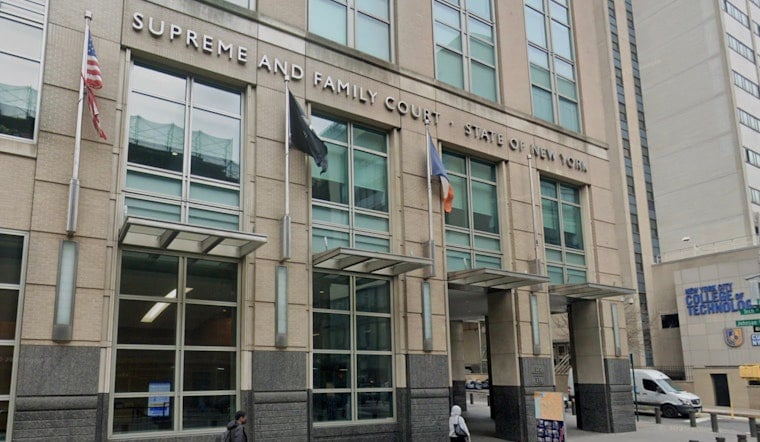
A New York City plan to let family-court judges order urine tests on the spot is now in federal court, with a public-interest legal group arguing the policy would strong-arm parents into giving samples in order to keep seeing their kids. The lawsuit says the program would effectively force a choice between submitting to supervised drug screening or risking the loss of custody or visits, reviving a pre-pandemic practice that allegedly led to removals and penalties when parents refused.
The program, originally slated to start June 22, would let judges in Bronx, Kings, New York and Queens family courts ask parents to “voluntarily” submit to supervised, on-site urine tests during hearings, according to The Imprint. The Imprint reports a court memo said the screens were meant to help judges make “timely, informed decisions” about child welfare, and that any non‑negative result could be followed by another test within a week.
What the Lawsuit Says
The Bronx Defenders filed the case in the U.S. District Court for the Southern District of New York, arguing the program would give judges “unchecked discretion” to pressure parents into consenting and to bypass established legal safeguards, according to the complaint. The filing says judges have previously ordered children removed and denied family visits when parents declined to test, and that some parents have abandoned reunification attempts rather than urinate under the watch of court staff.
Testing, Treatment Meds and Privacy Concerns
The court memo attached to the lawsuit says the on-the-spot tests would screen for alcohol, methamphetamine, cocaine, THC and medications such as buprenorphine and methadone, and that collection would be observed by a member of the court’s Drug Screening Unit who matches the client’s expressed gender identity, per the court memo. According to SAMHSA, buprenorphine and methadone are FDA-approved medications for opioid use disorder, so a positive result can reflect lawful medical treatment rather than illicit drug use.
Court Response and Next Steps
The state Office of Court Administration has told reporters that “no decision has been made to initiate this program,” The Imprint reported. Even so, the plaintiffs are asking a federal judge to rescind the memo and halt any rollout while the court weighs whether the policy violates parents’ constitutional and due-process rights.
Supporters of the lawsuit say the fight highlights how family courts juggle child safety with parental privacy, treatment needs and basic dignity. The complaint asks the federal court to block the program outright and restore the prior approach, which it describes as requiring probable cause and a warrant before any compulsory drug testing, according to the complaint.





