

























































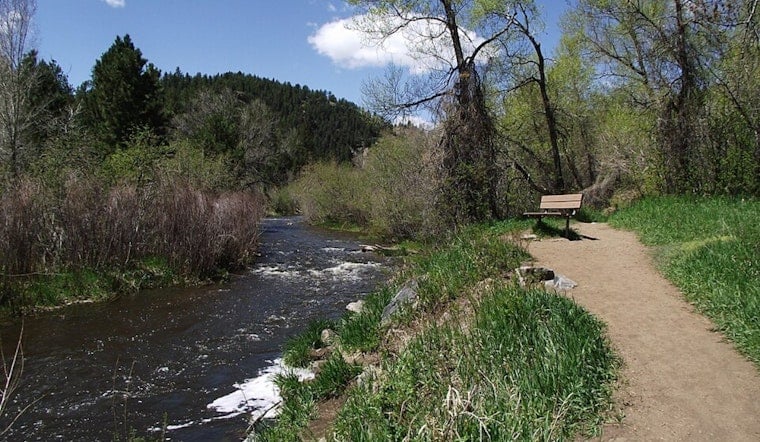
Overnight rain turned Evergreen's usually manageable creek crossings into fast-moving channels early Thursday, as Bear Creek and nearby gulches surged out of their normal paths, flooding low-lying roads and littering travel routes with debris. Streets that typically handle light runoff were quickly overwhelmed as water spilled out of drainage channels, and local crews spent the morning checking damage and clearing blockages. Officials urged residents in affected neighborhoods to steer clear of flooded roads while emergency teams inspect bridges and crossings.
What the weather service reported
According to the National Weather Service, emergency management reported "damage to multiple bridges" in the Evergreen and Kittredge area, along with "rapidly rising water along Bear Creek" after thunderstorms dropped between 1 and 4 inches of rain in some spots. The agency said low-water crossings were inundated and cautioned drivers to avoid any roads covered by floodwater.
Video posted by CBS News Colorado shows water running across town streets and splashing around parked cars, with the outlet summarizing the situation simply: "Overnight rain caused some flash flooding in parts of Evergreen."
Where flooding hit
Emergency products and local reports listed Evergreen, Morrison, Idledale, Kittredge, and Bear Creek Lake Park among the areas that experienced rapid runoff and localized flooding. Low spans and short bridges along Bear Creek are particularly vulnerable in fast-moving storms, and authorities said inspections of those crossings were at the top of their list.
Why the rain caused flash flooding
Meteorologists note that short, intense thunderstorm cells can unload a large amount of rain over a small area in a brief window of time, and the steep terrain in the foothills can then funnel that water quickly into creeks and streets. Colorado State University's Colorado Climate Center has pointed out that recent dry conditions and unusual snowpack patterns can leave Colorado soils less able to absorb moisture, which makes it more likely that heavy downpours will turn into flash flooding instead of soaking into the ground.
Safety and response
Officials repeated a familiar flood safety rule: never drive through standing or moving floodwater. The Centers for Disease Control and Prevention notes that just a few inches of moving water can knock a person off their feet and that most flood-related drownings happen in vehicles, so motorists are urged to remember the warning: "Turn Around, Don’t Drown."
Jefferson County and town emergency agencies are monitoring conditions and plan to share updates on road closures and bridge inspections through local alert systems. This story will be updated as additional information and repair timelines are released by officials.





