

























































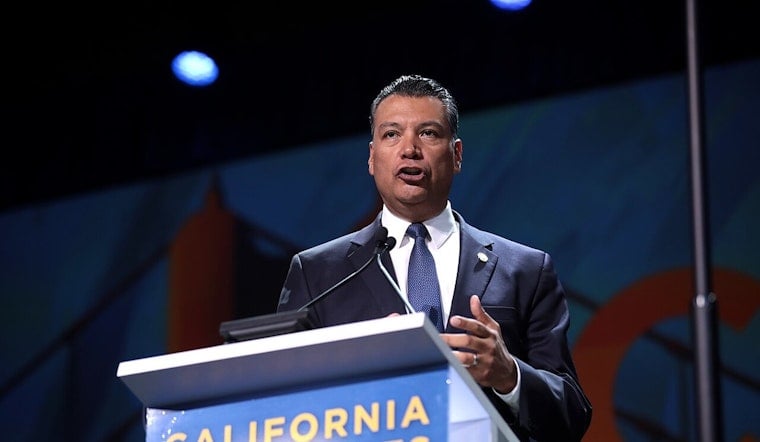
Sen. Alex Padilla and Senate Democratic Leader Chuck Schumer are rolling out something new for this year’s high-stakes contests: the first-ever Senate Election Observer Program, announced last Thursday. The plan will train and send congressional staff to serve as official observers in close Senate races ahead of November’s midterms, tasked with watching and documenting what happens at polling places and ballot-counting centers while steering clear of actually counting ballots or running elections. Democratic leaders are billing it as a preemptive move to build a factual record and tamp down intimidation where tight margins could matter.
What They Announced
Schumer said the new program will “put trained, official observers on the ground as the Senate’s eyes and ears in the Senate races,” with a clear directive to observe, document and report facts, not jump into the fray. As outlined by the Senate Democratic Caucus, these observers will not run elections, count ballots or advocate for any candidate. Viewers in Southern California could watch the rollout on NBC Los Angeles, which carried video of the news conference.
How the Observers Will Operate
According to Padilla’s office, the program will recruit and train Senate staffers on election-administration basics, how to document what they see and strict rules against interfering, before sending them to states with competitive Senate races. The guidance is explicit: observers “will not advocate for candidates, participate in vote counting, interfere with election officials, handle ballots or election equipment, or seek to influence election results in any way.” Padilla has also said the teams will be sent where even relatively small disruptions could alter outcomes. Padilla's press release lays out the training approach and the program’s mission in more detail.
Why Democrats Say It’s Needed
Democrats are framing the effort as a response to what they describe as growing threats to free and fair elections, including executive actions and public pressure campaigns they argue could be used to intimidate voters or interfere with ballots. Schumer has warned that these risks are emerging “in real time,” and party leaders say the observers will help create independent documentation that can feed oversight efforts and, if needed, court action. Spectrum News has summarized both the rollout and the broader context for the announcement.
How It Fits With Existing Congressional Practice
Congressional election observers are not entirely new on Capitol Hill. The House Committee on House Administration already runs a long-standing Election Observer Program, and the COCOA Act in 2024 gave formal statutory backing to the use of congressional observers. The House Committee on House Administration explains that its observers gather on-the-ground information in contested elections and must complete training before they are sent out. Padilla and Schumer say the Senate version will mirror many of those practices while concentrating its resources on Senate contests.
Local Angle: What This Means in Los Angeles
In California, none of this is happening in a vacuum. Counties already operate their own observer programs with detailed rules designed to keep things transparent without letting anyone meddle with the vote. Los Angeles County’s Election Observer Panel Plan, for example, requires official badges and reporting logs and forbids observers from touching ballots or getting in the way of poll workers. The goal is to open the process to scrutiny while still protecting ballot security. Los Angeles County's observer plan lays out how local officials try to strike that balance, and Padilla’s team points to that framework as a model for federal trainings.
What’s Next
Padilla and Schumer say they will lock in the training curriculum and legal framework over the summer, then decide where to send observers based on which Senate races look especially close. Padilla has told reporters that specific locations have not yet been chosen, and Democrats stress that they plan to coordinate with state and local officials so they do not disrupt ordinary election operations. More briefings and a public training schedule are expected as the program ramps up for the November midterms.





.jpg)