

























































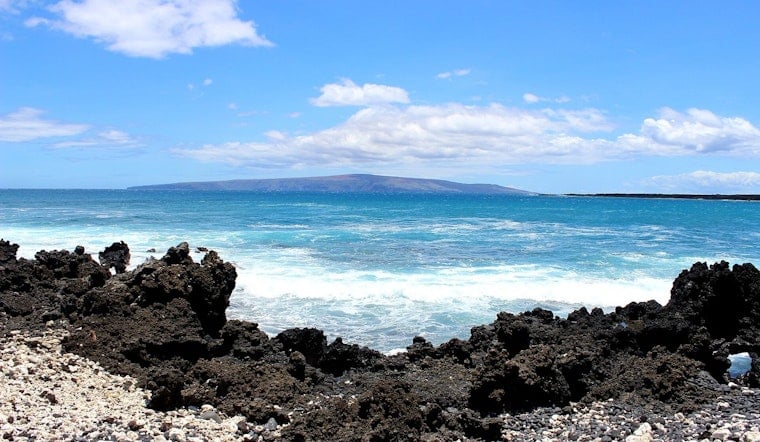
Two people were swept off the rocky shoreline near the Hanamanioa lighthouse at the south end of La Perouse Bay (Keoneʻōʻio) in Mākena on Saturday afternoon, and a fast-moving response by emergency crews brought both back to safety. A woman suffered a laceration to her head and was pulled from the water by ocean safety personnel, while a man managed to get out of the surf on his own before being transported for evaluation. Crews wrapped up the response at about 5 p.m.
Rescue and response
As reported by Maui Now, the call came in around 4:17 p.m. Ocean Safety personnel aboard Jet Ski 14 pulled the female patient from the water and transferred her to EMS on the north side of the bay after she sustained the head laceration, while Rescue 10 coordinated with the Maui Fire Department’s Air 1 helicopter to transport the male patient for treatment of cuts and scrapes. Responding units included Ladder 14, Rescue 10 aboard Air 1, Ocean Safety 14 and Jet Ski 14, and officials said crews were operating within roughly 50 feet of shore before concluding the response at about 5 p.m.
Why the surf was dangerous
The stretch of south-facing shoreline near La Perouse is known for powerful shorebreak and rip currents when south swells build, and local forecasts showed elevated surf over the weekend. Aggregated forecast data and local advisories noted that the south swell was peaking at advisory-to-warning levels for south shores at the time, a combination that makes rocky access points particularly hazardous; see Hawaii Guide for the advisories and surf context.
What to keep in mind
Rip currents and dangerous shorebreak are common drivers of rescues in conditions like these, and officials urge people to enter the water only at lifeguarded beaches and to never turn their back on the ocean. For clear, official advice on spotting and surviving rip currents, refer to the National Weather Service’s rip-current guidance at weather.gov.





