

























































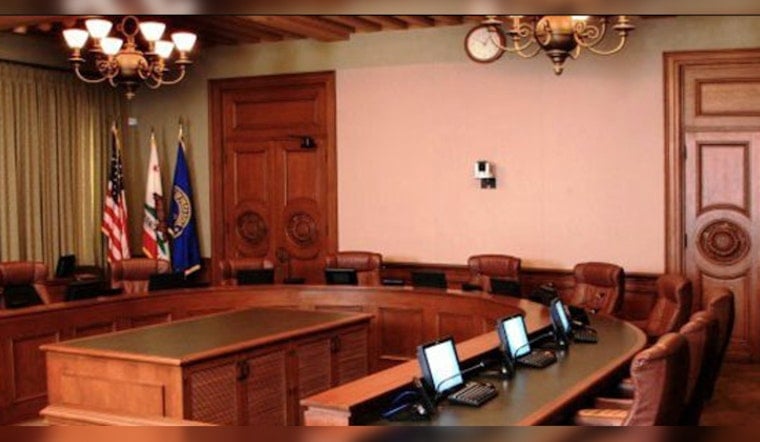
Pasadena’s fight over where people can safely sleep in their cars has moved out of public view and into a back room at City Hall. On Monday, June 22, 2026, City Council members are set to meet in closed session to talk strategy on lawsuits targeting their approval of a safe-parking permit at All Saints Church. The challenges, brought earlier this year by nearby residents and a local petition group, attack the council’s decision to reopen hearings on the project and accuse city leaders of conflicts of interest and procedural missteps. What they decide behind closed doors could determine whether the council’s March sign-off survives.
What’s at stake
According to the City of Pasadena, the dispute traces back to June 2025, when a hearing officer signed off on a Minor Conditional Use Permit allowing up to 25 vehicles to park overnight on the All Saints campus. That approval immediately drew fire: three separate appeals landed at City Hall on June 30, 2025. The Board of Zoning Appeals backed the permit in September, but when the issue reached the City Council in November, the body fell short of the five affirmative votes the city charter requires for final action, leaving the permit in limbo.
Closed session and the lawsuits
As reported by Pasadena Now, the marquee case, Truitt v. City of Pasadena, was filed in February by resident Martin Truitt. His petition attacks the council’s move to reopen the hearing after the November vote. The city has listed that case, along with a related lawsuit brought by the Maryland Homeowners Association, on its closed-session agendas as part of its roster of pending litigation.
How the program would operate
The safe-parking effort, called "Destination Hope Pasadena," is structured as a partnership between All Saints Church and the nonprofit Shower of Hope. Under the plan, up to 25 participants would be assigned parking spaces and given access to restroom and hand-washing facilities during program hours, according to the state CEQA filing. The proposal appeared on the statewide CEQA portal as a Notice of Exemption in March 2026, reflecting city staff’s view that the program involves only a negligible expansion of existing parking use, per CEQAnet.
Permit safeguards and conditions
City records outline a raft of conditions designed to blunt neighborhood impacts: monthly community meetings, a public complaint hotline, limited hours of operation, a rule that only registered vehicles can use the site, and on-site security along with restroom access for participants. As detailed by the City of Pasadena, the Zoning Administrator retains the power to review or revoke the permit if problems develop.
Claims against the council
The petitioners argue that the council’s failure to reach five votes in November amounted to a legal denial under the municipal code and therefore could not be revived. Their filings also raise potential conflicts of interest involving members of the council. City Attorney Michele Beal Bagneris has advised council members that the November proceedings did not constitute a final action, a position reported by Pasadena Now.
What to watch next
Because the matter is being taken up in closed session, the public will not see immediate details about legal strategy or potential compromises. The next moves are expected to play out in court filings, in settlement talks, or in a ruling that could either halt the program or allow it to move forward under the conditions the council adopted.
Legal implications
At the heart of the fight is a technical but far-reaching question: when a council vote falls short of a required threshold, does that count as a final denial under local law and standard CEQA practice. If a judge sides with the petitioners, the decision could narrow the council’s ability to revisit other stalled land-use decisions down the line.





