

























































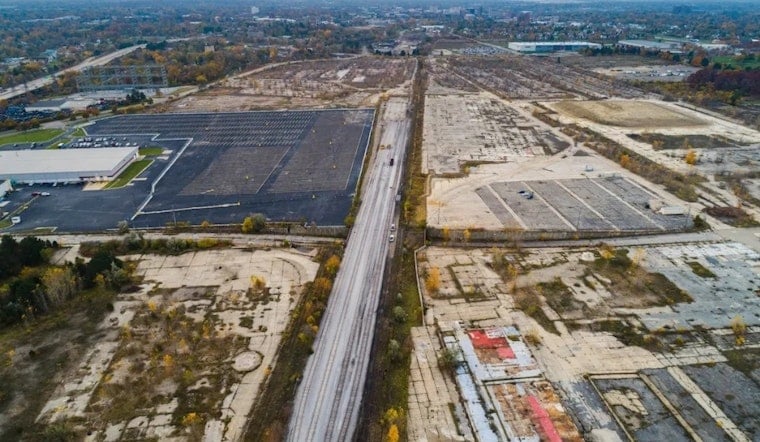
A Perot-backed data center developer is kicking the tires on Flint’s massive former General Motors complex known as Buick City, a move that could bring major investment and a fresh wave of questions about utilities and environmental cleanup. The sprawling property has been under redevelopment and remediation efforts for years, and local leaders say any data center proposal would have to slog through a long permitting and infrastructure process. Residents and officials are already watching for hard details on jobs, construction timelines, and how ongoing cleanup work would be coordinated with any new use.
The interest was first reported by Crain's Detroit Business, which described the suitor as a Perot-backed data center developer and said talks are in the early stages. Crain's also noted that no formal site plans or filings had been submitted to city planning staff at the time of the report. For Flint, the inquiry signals a possible new chapter in long-running efforts to reuse one of Michigan's largest brownfields.
What’s at the Buick City site?
The property is managed by the RACER Trust and covers roughly 413 acres north and south of Leith Street. According to RACER Trust, the site includes marketed parcels at 1001 Leith Street and 1051 East Hamilton Avenue and remains subject to environmental investigation and remediation. That mix of available land, legacy industrial infrastructure, and ongoing cleanup obligations has shaped redevelopment timelines at Buick City for more than a decade.
Recent sales and the Flint Commerce Center
RACER has sold large portions of Buick City in recent years, and Ashley Capital has already broken ground on the Flint Commerce Center on part of the site. Flint Beat reported the closing and the developer’s phased plan for multi-building construction that could create thousands of jobs. Those projects highlight that redevelopment is moving forward on some parcels even as others wait for additional cleanup.
Power, water and cleanup questions
Large data centers demand significant electricity and can strain local power grids and water supplies, issues Michigan regulators have been wrestling with in the wake of other hyperscale proposals, according to the Michigan Public Service Commission. Bridge Michigan has reported that utilities and regulators are weighing how to supply large data projects across the state. State environmental agencies also flag ongoing soil and groundwater work at Buick City that would need to be coordinated with any major new development, according to Michigan EGLE.
What happens next
Interest at this stage does not mean a project is a done deal. Any developer would still need to sort out land transfers, complete required environmental clearances, secure utility agreements, and win local entitlements before a data center could move ahead. The RACER Trust points to ongoing public engagement and meetings as part of its stewardship and sale process for the site. If talks become formal, residents can expect a series of technical studies, regulatory reviews, and public meetings before any shovels hit the ground.




