

























































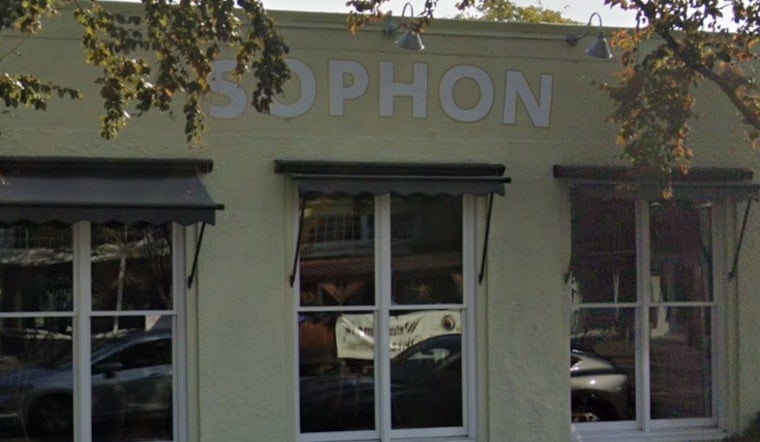
Sophon, the acclaimed Cambodian restaurant on Phinney Ridge, has quietly gone dark this spring after months of mounting cash-flow problems that left workers and suppliers unpaid. The neighborhood dining room and bar, praised for bold Khmer flavors and inventive cocktails, has sat closed during normal service hours while its public booking channels have gone silent. For a restaurant that earned national acclaim in just its first year, the shutdown has been sudden and jarring for regulars and staff alike.
State action sits at the center of the unraveling. The Washington Department of Revenue issued multiple tax warrants, then voided Sophon’s reseller permit, and the agency revoked owner Karuna Long’s certificate of registration, steps that effectively make normal tax reporting and sales activity impossible. Reporting shows the DOR issued three King County tax warrants in 2025, on April 10, August 21, and December 29, that together total roughly $165,000. These details were reported by The Seattle Times.
The public enforcement moves followed a staff walkout in February after employees said paychecks arrived late or bounced and management failed to remit payroll taxes and insurance premiums. At least two former workers filed nonpayment complaints with the Washington Department of Labor & Industries, and former staffers documented the dispute on social media. Seattle Met has reported on the walkout and the financial claims.
Sophon opened in February 2024 and quickly became one of the city’s most talked-about newcomers. Bon Appétit named it one of the 20 Best New Restaurants of 2024, and the James Beard Foundation listed the bar as a 2025 semifinalist, as noted by Eater Seattle. For diners, the swift rise and even faster fall has been whiplash.
State action and local reporting
Local reporters and neighbors say a Department of Revenue notice briefly appeared on Sophon’s front window as the money troubles spilled into public view, and the restaurant’s Instagram and booking links disappeared as the controversy grew. People who stopped by found the space dark, the phone lines unanswered, and building representatives declining to comment when contacted by reporters. The Stranger published photos and neighborhood accounts that showed the notice and the quiet storefront.
What this means for workers and vendors
Workers who say they were unpaid can pursue claims with the Washington Department of Labor & Industries and may also seek civil remedies, while vendors and landlords have separate routes to collect unpaid bills. State agencies have limited tools and long backlogs in wage-collection cases, which can leave employees waiting even after claims are filed. The Washington Attorney General’s office outlines workers’ rights and the state’s complaint options on its workplace-rights pages, which explain how to file a claim and where to get help, according to the Washington Attorney General.
Owner Karuna Long told The Seattle Times that cash-flow problems led to late paychecks and missed payments, adding, “my heart is broken.” Long said he had tried to keep the doors open while catching up on bills, but the restaurant’s tax and licensing problems made that impossible. For now, the storefront sits empty, and neighbors say they are watching to see whether a new operator will take over the Phinney Ridge space.





