

























































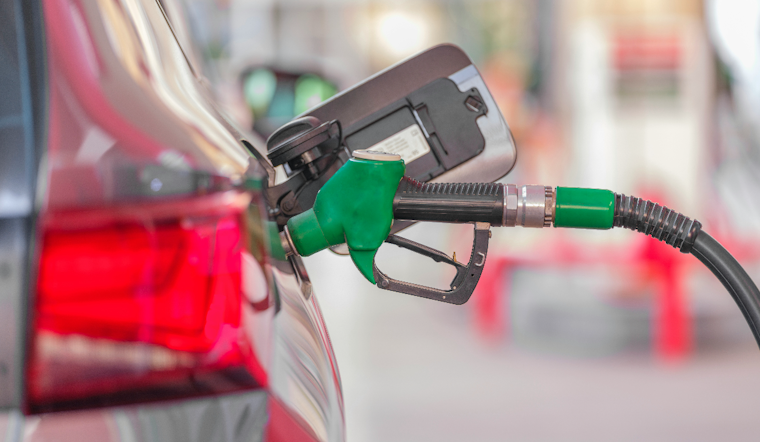
Drivers across much of the country are finally seeing regular gas dip below four bucks a gallon. In Pennsylvania, though, the celebration is on hold. Around Pittsburgh in particular, plenty of station signs are still flashing prices well above $4, keeping commutes, delivery runs, and summer road trips more expensive than many residents expected by now.
Pennsylvania averages and the Pittsburgh gap
According to AAA, Pennsylvania's average price for regular gas was $4.085 per gallon on June 23, 2026. The Pittsburgh metro was running hotter, with an average of $4.471 that same day. By contrast, AAA's national average sat at $3.926 on June 23, a spread that lines up with what drivers are seeing on their local station boards. AAA's daily tracker breaks the data down by county and metro so motorists can follow those swings almost in real time.
Pittsburgh prices are dropping more slowly
Local coverage has highlighted what drivers already know from watching their neighborhood station: prices are easing, just not fast enough. In and around Pittsburgh, posted rates have been slower to slide than in many other parts of the state, leaving plenty of ZIP codes paying more than the Pennsylvania average, as reported by CBS Pittsburgh.
What's driving the national drop
The national average slipping under $4 mainly reflects a pullback in crude oil prices after diplomatic progress in the Middle East, according to AP. Axios notes that news of an extended ceasefire and softer crude futures has chipped away at the wartime premium in oil markets, a shift that typically filters through to what drivers pay over the course of several days to a few weeks.
Why retail prices often lag wholesale swings
The U.S. Energy Information Administration's June Short-Term Energy Outlook projects an average retail gasoline price near $3.90 for 2026, according to EIA. The agency points out that station owners usually have to sell through higher-priced inventory before they can fully reflect cheaper wholesale gas in their posted prices, which can slow the drop.
AAA adds that pumps often lower prices more grudgingly than they raised them on the way up, so even when crude retreats, drivers do not always see instant relief when they pull up to the pump.
When could Pennsylvania fall under $4?
If crude prices stay subdued and retailers continue to pass along the savings, Pennsylvania's statewide average could slide below $4 within days to a few weeks, though Pittsburgh's higher starting point suggests the metro may lag any statewide improvement. Analysts caution that the timeline for relief hinges on crude remaining lower and shipping staying steady through the Strait of Hormuz, as reported by Axios.
How drivers can save
For now, Pennsylvania drivers looking to squeeze a little more out of each tank can shop around with real-time price apps, tap station loyalty programs, and plan fill-ups in areas where prices tend to be lower. Keeping an eye on daily trackers and local reporting will be the quickest way to spot when those stubborn numbers finally start to crack in your neighborhood.



