

























































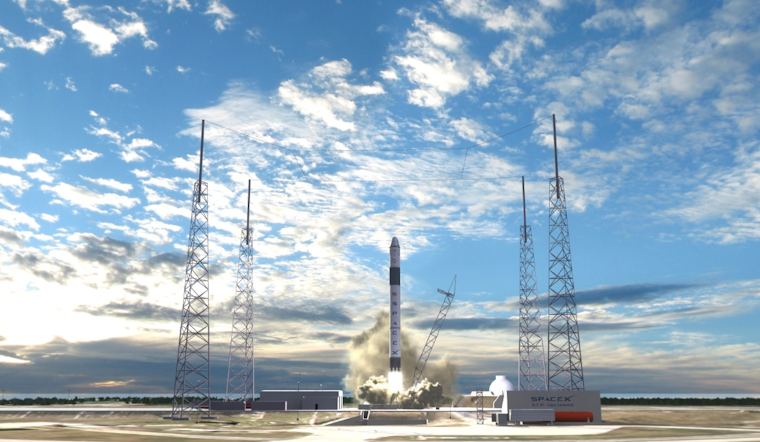
Before most of the Space Coast had finished its first cup of coffee Monday, a veteran Falcon 9 leapt off Cape Canaveral, dropped 29 Starlink internet satellites into low Earth orbit and quietly made a little history on the way back down. Booster B1067 notched its 35th trip to space, then stuck the landing on a droneship in the Atlantic, a fresh high-water mark for SpaceX's rapid reuse play and one more bright flare on an already packed Eastern Range calendar.
Launch details and the record
The Falcon 9 lifted off at 6:13 a.m. from Space Launch Complex 40 with the Starlink 10-35 batch of 29 satellites on top, according to Orlando Sentinel. After stage separation, the first stage headed back down to the droneship A Shortfall of Gravitas and touched down in the Atlantic, wrapping the flight that set the new reuse record.
Booster history and the reuse push
B1067, now the fleet leader, first flew in June 2021 and has since handled a mix of high-profile assignments, including ISS resupply missions and crewed flights, according to the public booster log. This pre-dawn outing marked the booster’s 35th flight, a milestone that aligns with SpaceX's long-running target of flying Block 5 first stages on the order of 40 times to help drive down launch costs.
What it means for the Space Coast
Monday's launch nudged the Space Coast's 2026 tally even higher, with the region now logging dozens of orbital attempts so far this year and SpaceX responsible for most of them, Orlando Sentinel reports. That pace keeps Cape Canaveral in the running as one of the busiest launch corridors on the planet, and it brings real-world side effects, from early morning traffic jams and packed riverfront parks to tight range schedules that leave little room for delay.
Blue Origin’s pad blast and the ripple effects
The quick tempo is unfolding in the shadow of a rival's bad day. Blue Origin's New Glenn exploded during a May static fire at Launch Complex 36, leaving the pad damaged and pausing New Glenn operations while repairs move forward, Ars Technica reported. The mishap has temporarily thinned the roster of active heavy lift options on the Space Coast.
Other rockets on the manifest
United Launch Alliance still has Atlas V flights on the books for this summer, and range officials say unaffected pads remain ready to go as the schedule shuffles, according to Spaceflight Now. If the weather behaves and the hardware cooperates, the next few weeks could keep local skywatchers busy scanning for more dawn and overnight launches.
For residents from Titusville down through Cocoa Beach, another bright blast from the Cape delivers the usual mix of awe and inconvenience that comes with a boom-heavy launch season. Whether you are staking out a riverside spot or tracking the manifest from your phone, Falcon 9's reuse race is a reminder that plenty of the orbital action still runs straight through Cape Canaveral.



