

























































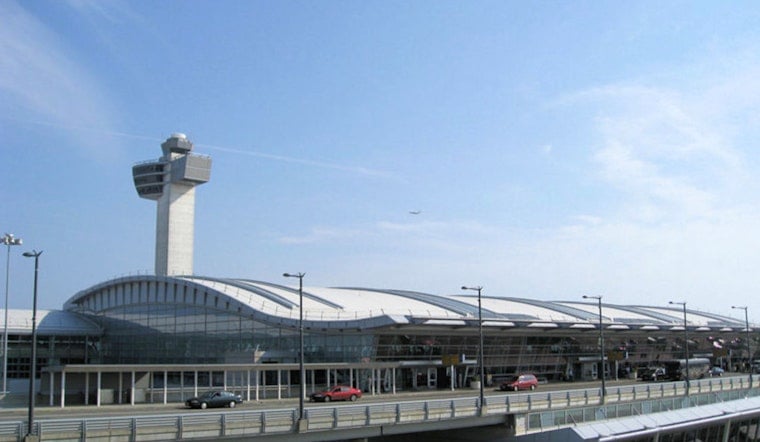
An early morning airport scare rattled a Valley Stream family on Sunday, after their 11-year-old autistic son quietly booked himself an Uber and rode alone to John F. Kennedy International Airport, relatives say. Ring-camera footage shows him climbing into a car before dawn with a small suitcase, and airport staff later found him at Terminal 1, where Transportation Security Administration workers stopped him because he had no ticket. Emergency responders checked him at the airport and he was released to authorities, leaving his parents shaken but relieved.
As reported by PIX11, the family identified the child as Jamel Johnson and said they woke up to the camera footage showing him getting into a black car at about 5:55 a.m. The Port Authority told News 12 that staff found the boy around 6:30 a.m. at Terminal 1 and Port Authority police had him medically checked at their post. According to his parents, he told officers he was trying to get to Japan. The Johnsons say they have been in contact with the ride-hail company’s Trust & Safety team.
Ride-hail rules and where they break down
Uber’s rules bar unaccompanied riders on standard accounts and require teens to use a supervised Teen Account for ages 13 to 17, according to Uber. Drivers are instructed to refuse pickups if a passenger appears underage and to report concerns to the company, but in practice that depends on drivers spotting a minor at the curb and being willing to turn the trip down. Families and safety advocates say that kind of curbside judgment call leaves a big gap when younger children manage to slip out of the house and into a waiting car.
Airports, TSA and unaccompanied minors
Airlines typically require families to book an official unaccompanied minor service for children traveling alone, and carriers like American Airlines spell out mandatory check-in, escort, and gate handoff procedures for young travelers. The Transportation Security Administration also directs families to request Passenger Support (TSA Cares) for travelers with disabilities so they can coordinate checkpoint assistance and brief staff ahead of a trip. Local reporting says TSA workers stopped Jamel at the checkpoint because he did not have a ticket and airport staff then located him inside the terminal.
Why the case has broader implications
The episode has rekindled long-running questions about how ride-hail companies and drivers verify a passenger’s age and vulnerability. A recent story about a Long Island family suing Uber after a 16-year-old was allegedly assaulted following an unvetted ride shows how these incidents can escalate into criminal cases and civil claims. Lawyers and advocates say platform rules only matter if drivers, dispatch systems, and parents all follow procedures designed to keep minors from riding alone.
Practical steps for families
Experts recommend that parents set up the official teen programs when children are eligible, keep live location sharing enabled, and prearrange airport transfers through services that offer meet-and-greet or supervised pickups. Families traveling with autistic children can call TSA Cares in advance to request a Passenger Support Specialist and reduce confusion at security, in line with the agency’s guidance. If a parent discovers an unauthorized trip, they are advised to report it immediately to the ride-hail app and local authorities so companies can investigate and drivers can be flagged.
The family says they are grateful their son is safe but want other parents to be alert to the risks. Jamel’s mother told reporters, “He looks like a child, why would you let him get in your car and pull off?” as News 12 reported. The Port Authority and Uber have provided limited public comment to local outlets while the family continues to work with the company’s safety team and officials review the circumstances.





