

























































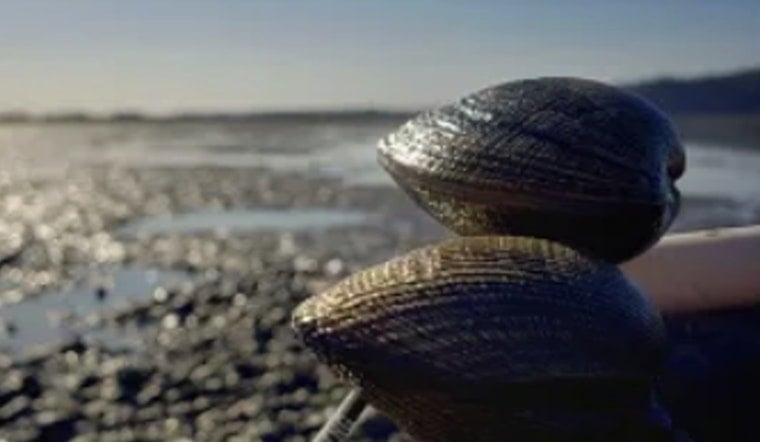
Puget Sound’s big seasonal low tides are rolling in this week, pulling back the water and uncovering miles of sand, mud and rocky intertidal flats. Tidepool fans and recreational shellfish harvesters are already heading out, but state tests and advisories have triggered closures in parts of Hood Canal. Health officials say a one-two punch of marine toxins and warm-water bacteria is raising the stakes for anyone collecting shellfish and they are pushing visitors to check safety maps, chill their catch fast and stick to cooked shellfish when possible.
Midday Lows Drop Extra Deep On Monday And Tuesday
According to NOAA, the midday low in the Seattle area is expected to plunge to around -4.3 feet on both Monday and Tuesday, leaving tide benches, rocks and mudflats exposed for several hours. That schedule tightens the ideal window for digging and increases the odds that people who are new to these conditions could misjudge how fast the water returns or how slick the shoreline can be, which raises the risk of getting stranded or picking up shellfish too late in the cycle.
State Shuts Popular Beaches After Toxic Test Results
Recent lab tests have found dangerous levels of paralytic shellfish poison in samples from parts of Hood Canal and nearby bays around Port Ludlow and Quilcene, which has led to recreational closures in those areas. Camille Speck, who manages Puget Sound intertidal bivalves for the Washington Department of Fish and Wildlife, described the scale of the latest detections as “unprecedented,” and officials have told the public not to harvest or eat shellfish from the affected beaches, according to The Seattle Times.
Paralytic Shellfish Poison Can Turn A Clam Bake Deadly
Paralytic shellfish poison, often shortened to PSP, is produced by certain microscopic algae and can build up in clams, mussels, oysters and other bivalves as they filter-feed. People who eat contaminated shellfish can develop tingling, progressing in severe cases to paralysis and even death. The Washington State Department of Health notes that PSP is heat-stable, which means it is not destroyed by cooking or freezing, so obeying beach closures is the main line of defense for recreational harvesters. The agency provides details on marine biotoxins and lists current closures through the Washington State Department of Health.
Warm Water, Vibrio Bacteria And Why Cooking Matters
Summer warmth can also fuel growth of Vibrio bacteria in oysters and other shellfish, which can cause gastrointestinal illness and, in rare situations, serious bloodstream infections in people who are especially vulnerable. Public-health messages around the region boil the guidance down to “Check, Chill, Cook.” That means checking beach status before you head out, chilling harvested shellfish right away, and cooking them thoroughly. Local guidance recommends an internal temperature of 145°F held for at least 15 seconds to kill Vibrio. An example of this advice appears in a county notice from Skagit County Public Health.
Timing The Tides And Picking Safe Beaches
The Washington Department of Fish and Wildlife advises recreational harvesters to plan trips around a tight four-hour window centered on low tide and to use the agency’s season guides for rules that apply to specific beaches. The Washington State Department of Health maintains an interactive shellfish-safety map and a biotoxin hotline at 1-800-562-5632 so people can confirm beach status before they collect or eat shellfish. For official updates, see the Washington Department of Fish and Wildlife.
Guided Beach Walks To Keep Curious Visitors Out Of Trouble
This weekend, the Seattle Aquarium is offering beach naturalist walks at Des Moines, Golden Gardens and Lincoln Park to help visitors explore low-tide life safely and learn which animals and conditions to steer clear of. The aquarium lists dates and locations for these programs on its beach naturalist page, as posted by the Seattle Aquarium.
These extreme low tides are some of the best moments of the year to peek into tide pools and watch the nearshore world wake up, but they double as a sharp reminder about marine toxins and bacteria. If you are planning to harvest or eat shellfish, check the official maps, get your catch on ice quickly, cook when recommended and if anything seems off, leave those clams, mussels or oysters right where you found them.



