

























































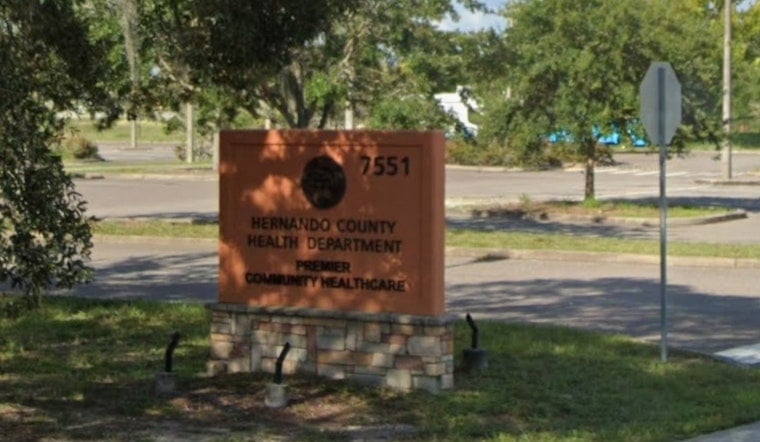
A 60‑day rabies alert is now in place across a wide swath of Spring Hill after the Florida Department of Health in Hernando County confirmed that an unvaccinated pet cat contracted rabies following a raccoon attack Wednesday in the Norvell Road area. The alert puts neighbors and pet owners on high alert while public health teams track local wildlife and possible exposures. Officials stress that rabies is almost always fatal once symptoms appear but can be prevented with quick medical and veterinary care. The goal is to keep the virus from spreading among animals and to cut the risk to people.
Where the alert applies
The monitoring zone stretches from Elgin Boulevard on the north to Spring Hill Drive on the south, and from Barclay Avenue on the east to U.S. Highway 19 on the west, according to FOX 13 Tampa Bay. FOX 13 reports that the alert was issued after officials confirmed the unvaccinated cat became infected following the raccoon attack, and that county health workers will track wildlife activity and lab results throughout the 60‑day window.
Health guidance from county officials
The Florida Department of Health in Hernando County is urging residents to steer clear of wild animals, including raccoons, bats, foxes, skunks, otters, bobcats and coyotes, and to keep pets current on vaccines and under control, in line with the county health department’s rabies guidance. Officials also advise residents to secure garbage and outdoor pet food and to block off any access that might allow wildlife into homes. Anyone who encounters stray animals or needs them removed should contact Hernando County Animal Services at 352‑796‑5062, and any bites or possible exposures should be reported to DOH‑Hernando at 352‑540‑6812.
If you or a pet is exposed
If a person or pet is bitten or scratched, officials say to immediately scrub the wound with soap and running water for five to ten minutes, then seek medical or veterinary care. Timely rabies post‑exposure treatment prevents illness in nearly all cases, according to the Florida Department of Health. State guidance notes that animals believed to have been exposed may be quarantined or tested for rabies, and that residents should not handle sick or unusually tame wildlife. Anyone who suspects exposure for themselves or their animals should report it quickly and follow directions from healthcare providers and public health officials.
What to watch for
DOH‑Hernando will continue to monitor the designated area throughout the 60‑day alert and will issue updates if more cases are identified. Pet owners are encouraged to review vaccination records and talk with their veterinarian about boosters if they have questions or concerns. For more on local reporting procedures and rabies resources, residents can refer to the county health department’s rabies surveillance page and the Hernando County animal services office.





