

























































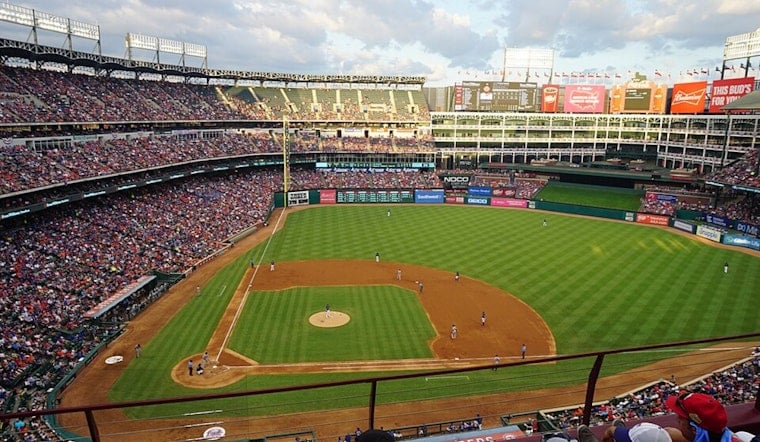
The Texas Rangers are running low on both time and patience, and the calendar is not doing them any favors. A season that was supposed to be a steady title defense has morphed into a grind of injuries, uneven starting pitching and an offense that keeps stranding opportunity on the bases. Inside the organization, that internal "stock exchange" of confidence is blinking red as July creeps closer and the margin for error shrinks.
In a detailed stock report, Evan Grant sounded the alarm on multiple corners of the roster and described how that internal exchange has tumbled. As outlined by The Dallas Morning News, the Rangers may have as few as 12 losses to spare in the next 32 games before the trade deadline, a sobering little countdown for a front office still trying to salvage the summer.
Rotation and bullpen under strain
The pitching staff is feeling every bit of that squeeze. The Rangers placed Jack Leiter on the 15-day injured list after imaging revealed a right-ankle posterior impingement that was affecting his delivery, according to The Washington Post. Losing another starter thins an already stretched rotation and shifts more innings onto the back end of the staff.
The bullpen has not exactly had a quiet month either. Reliever Cole Winn has bounced from a short IL stint to a rehab assignment while also dealing with the complication of having no minor-league options left, a roster-juggling headache detailed in transaction coverage at MLB Trade Rumors. Every move feels like a shell game just to cover the innings.
Langford, power and the run problem
On offense, there are hints of what this lineup was supposed to be. Wyatt Langford's recent surge has delivered some much-needed thunder and a bit of optimism to go with it. His splits and month-to-month output can be tracked on his player page at MLB.com, where the hot streak jumps off the screen.
The bigger issue is what happens when those hard-hit balls do not translate into runs. Longer-term indicators paint a picture of a club with a below-league on-base profile and underwhelming run-scoring efficiency, a combination that keeps turning decent traffic into empty innings. That broader trend is reflected in team metrics at Baseball-Reference, and it has left Texas repeatedly one hit short of breaking games open.
Defense and fundamentals
The little things have not been especially little, either. The Rangers have been rolled into double plays at an unusually high clip, short-circuiting rallies just as they seem ready to turn. In his stock report for The Dallas Morning News, Grant spotlighted the high ground-into-double-play totals and ongoing situational hitting troubles as a major drag on run production.
When you are already fighting through injuries and thin pitching, watching potential big innings disappear on one harmless-looking grounder has a way of amplifying every minor mistake on the mound.
What it means for July
All of this feeds directly into the question that will define the Rangers' summer: buy or sell. With the trade deadline looming, the front office is staring at a binary choice. Push in more resources to chase another run, or accept that this year may require a reset and prioritize long-term flexibility instead.
Some analysts see the injury pile and efficiency problems and lean toward that seller posture, a case laid out in recent deadline coverage at Yahoo Sports. Either way, the next month will likely reveal whether the Rangers are just wobbling or fundamentally off course.
For fans in Arlington and across North Texas, the math is far simpler: win a lot more games, and do it fast. How the front office maneuvers at the trade table and on the injured list will tell everyone else whether this is a temporary skid or the early stages of a full-on reboot.



