

























































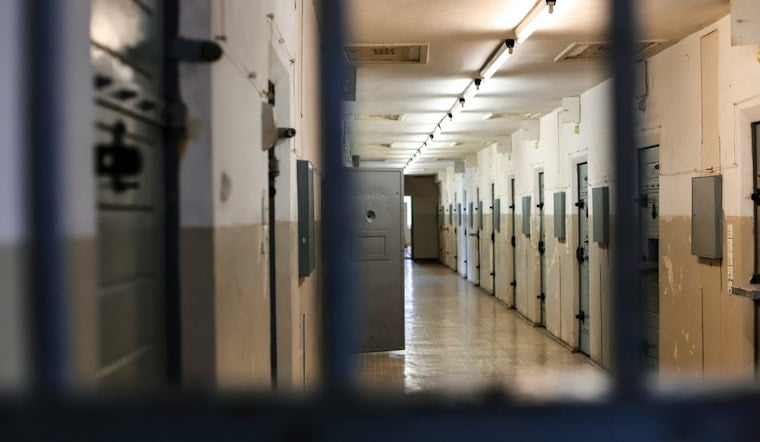
The long-simmering fight over whether corrections officers at Rikers Island are using a tactic known as "deadlocking," which keeps detainees confined to their cells for long stretches of time, flared up again at a Board of Correction oversight meeting on Tuesday. Department of Correction officials insisted they do not authorize the practice, while advocates and public defenders countered that reports of unauthorized lock‑ins are still rolling in.
At the June 9 hearing, Department of Correction general counsel James Conroy acknowledged there have been "deviations from policy" but pushed back on the idea that deadlocking is an officially sanctioned or systemwide tool. Board members pressed witnesses to spell out concrete examples of recent incidents. Board member Dr. Lauren Stossel, who previously worked as a psychiatrist with Correctional Health Services, told the panel she had seen similar lock‑up measures during her six years on the island, according to the Queens Daily Eagle.
Board audit found involuntary lock‑ins
The New York City Board of Correction’s six‑week assessment in April–May 2025 documented nine instances of what the Department classifies as "involuntary lock‑ins" across 48 housing areas. Investigators also found that staff often failed to document why people were kept in their cells during scheduled lock‑out hours. The Board’s June 23, 2025 report labeled the practice "problematic and unjust," urged tighter reporting, training and discipline, and called on leadership to "discontinue the practice of unauthorized 'deadlocking,'" according to the New York City Board of Correction.
The current clash traces back to testimony from former Correctional Health Services clinical supervisor Justyna Rzewinski, who in 2024 said she observed people in specialized mental‑health units locked in their cells for days or longer and, in some cases, cut off from medication and meaningful contact. Rzewinski has written and spoken publicly about those experiences, describing rapid psychological deterioration among detained patients and urging outside investigation, according to The Marshall Project.
City investigators later reviewed the whistleblower’s claims and reported that their inquiry "did not reveal any instances where PICs were locked‑in their cells for weeks or months" as alleged. At the same time, they said they could not obtain portions of key video footage and encountered witnesses who would not cooperate, a gap that advocates argue leaves major questions unresolved. That tension between missing evidence and repeated first‑hand accounts was front and center at this week’s Board meeting, the Queens Daily Eagle reported.
Advocates say reports keep coming
Public defenders and advocacy groups told the Board that detailed accounts of deadlocking continue to surface. They described clients and detainees who said they were denied showers, phone calls and prescribed medications while confined to their cells. New York County Defender Services has for years logged client reports of lock‑in practices and urged the Board to push for stronger oversight and real accountability, as outlined in materials and testimony the group shared with the Board, according to New York County Defender Services.
Commissioner Stanley Richards, who took office earlier this year, has said he is committed to changing the department’s culture and tightening oversight. Advocates say that promise now has to show up in practice, not just press releases. The mayor’s office announced Richards’ appointment in January and highlighted his stated focus on safety and humane reform inside the city jails, according to the Mayor's Office.
Legal and oversight implications
Board members noted that enforcement is complicated by a long‑running emergency executive order that has suspended some minimum out‑of‑cell time requirements. That temporary policy shift has created conditions where informal lock‑in practices can continue without a clean paper trail. The Board’s assessment urged stricter logbook entries, prompt notifications to Central Operations and meaningful disciplinary measures when rules are broken. Public defenders warned that unauthorized individualized lock‑ins may violate detainees’ medical‑care rights and due‑process protections, as described in the Board’s report and defender testimony. For now, oversight bodies, advocates and the Department of Correction are all watching to see whether the agency actually implements the Board’s recommendations and whether any outstanding video footage or witnesses provide clearer answers.





